The Best Hair Transplant Surgeon in Chiang Mai
The Best Hair Transplant Surgeon in Chiang Mai : Introduction to Hair Transplant Surgery in Chiang Mai
Hair loss and thinning hair can affect both appearance and self-confidence. Whether caused by genetics, hormonal changes, aging, or other factors, hair loss can gradually alter the hairline, reduce hair density, and affect overall facial balance. For individuals seeking a long-term solution, hair transplantation is one of the available treatment options.
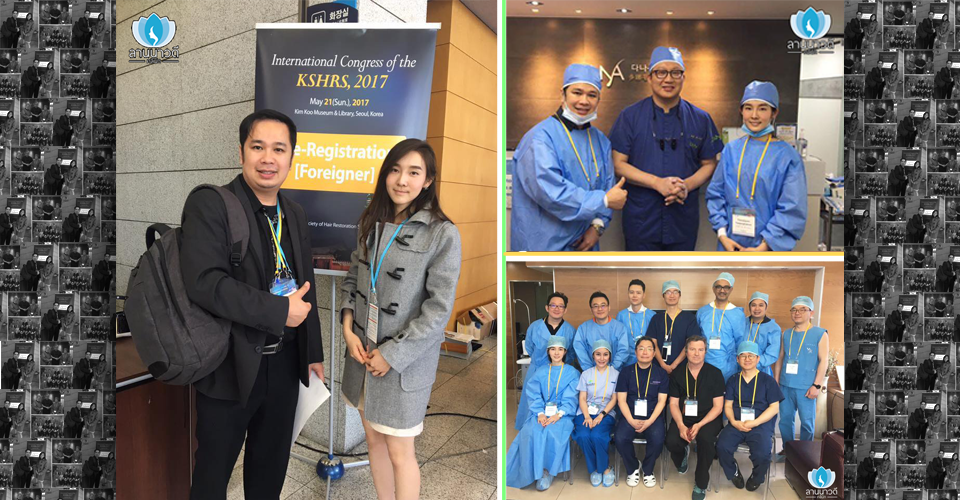
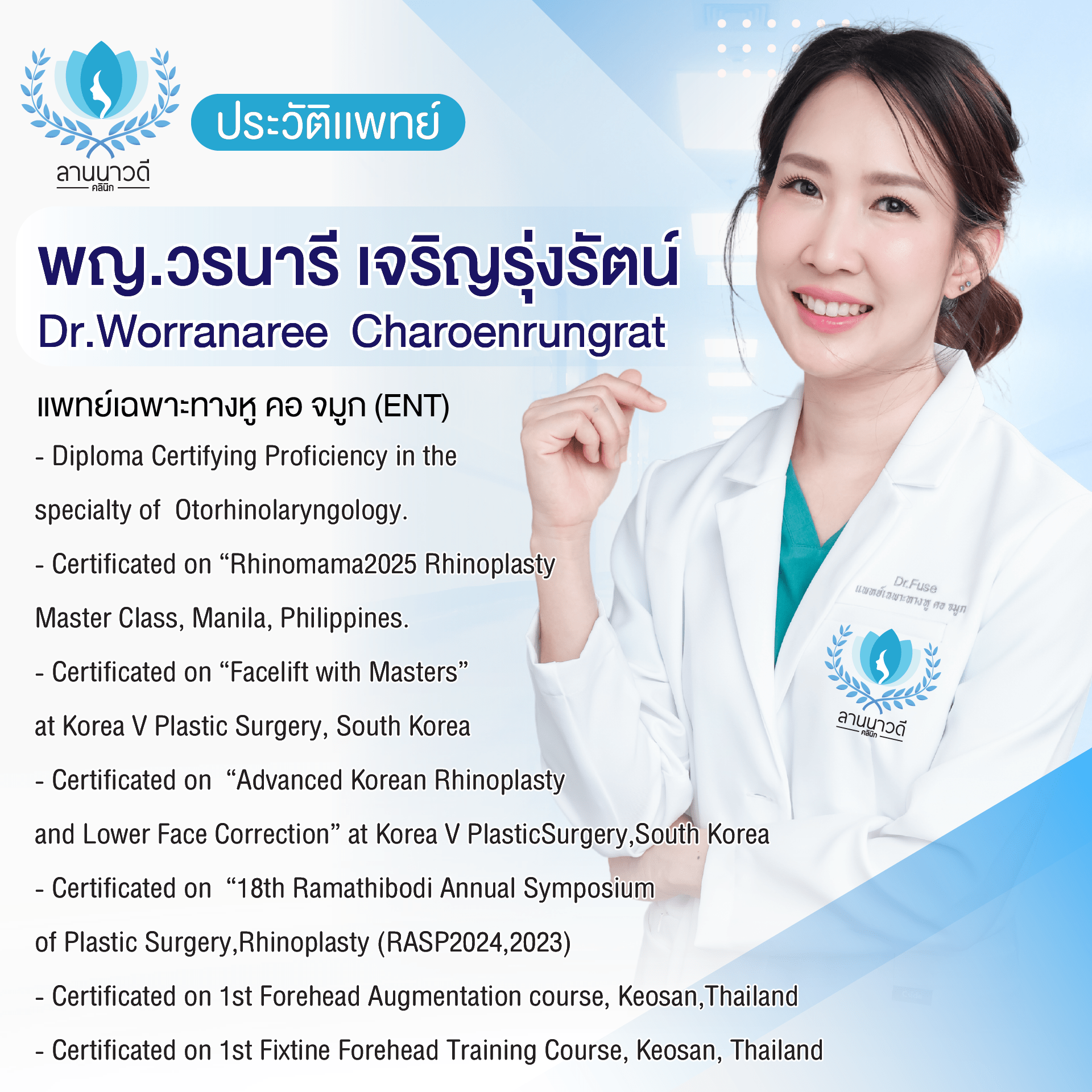
Chiang Mai, Thailand, offers a range of aesthetic and medical services, including hair restoration procedures. Choosing the best hair transplant surgeon in Chiang Mai involves more than comparing prices or promotional offers. Patients should consider the surgeon’s qualifications, clinical experience, surgical techniques, treatment planning, and approach to patient care.
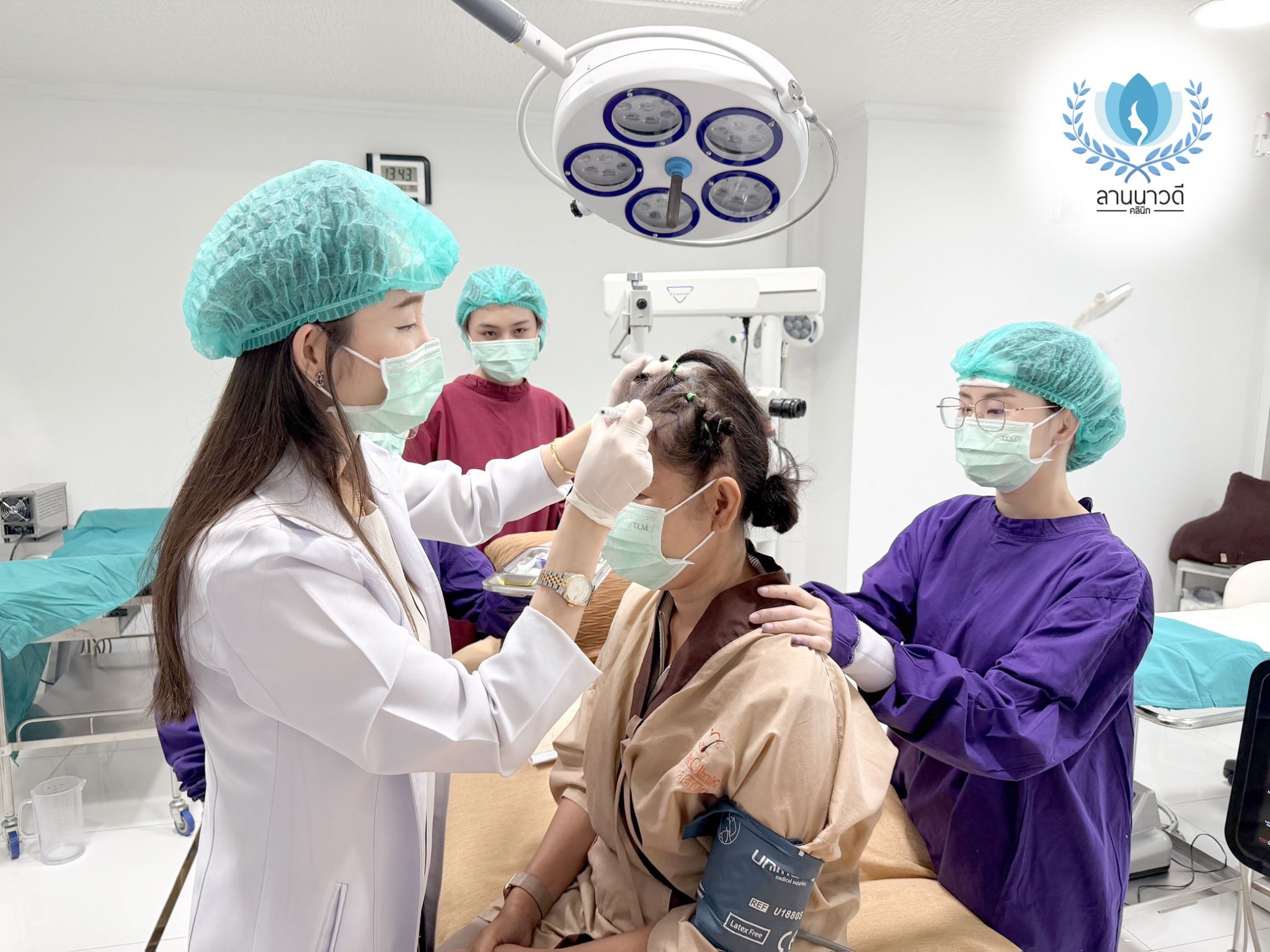
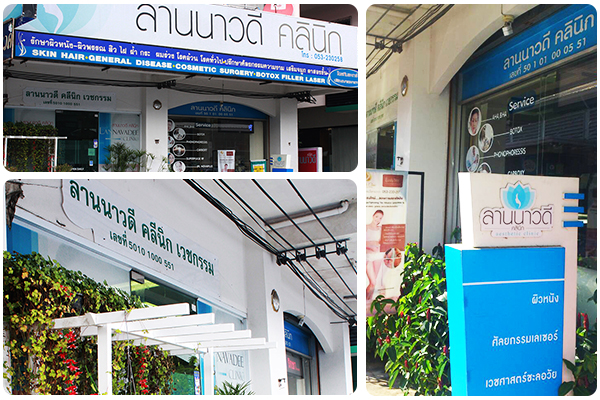
At Lannawadee Clinic, patients can explore personalized hair restoration options based on their hair loss patterns, donor hair availability, scalp condition, and aesthetic goals. A professional consultation helps determine whether hair transplantation is appropriate and which approach may best suit each individual’s needs.
Hair Transplant Surgeon in Chiang Mai

What Is Hair Transplant Surgery?
What Is Hair Transplant Surgery?
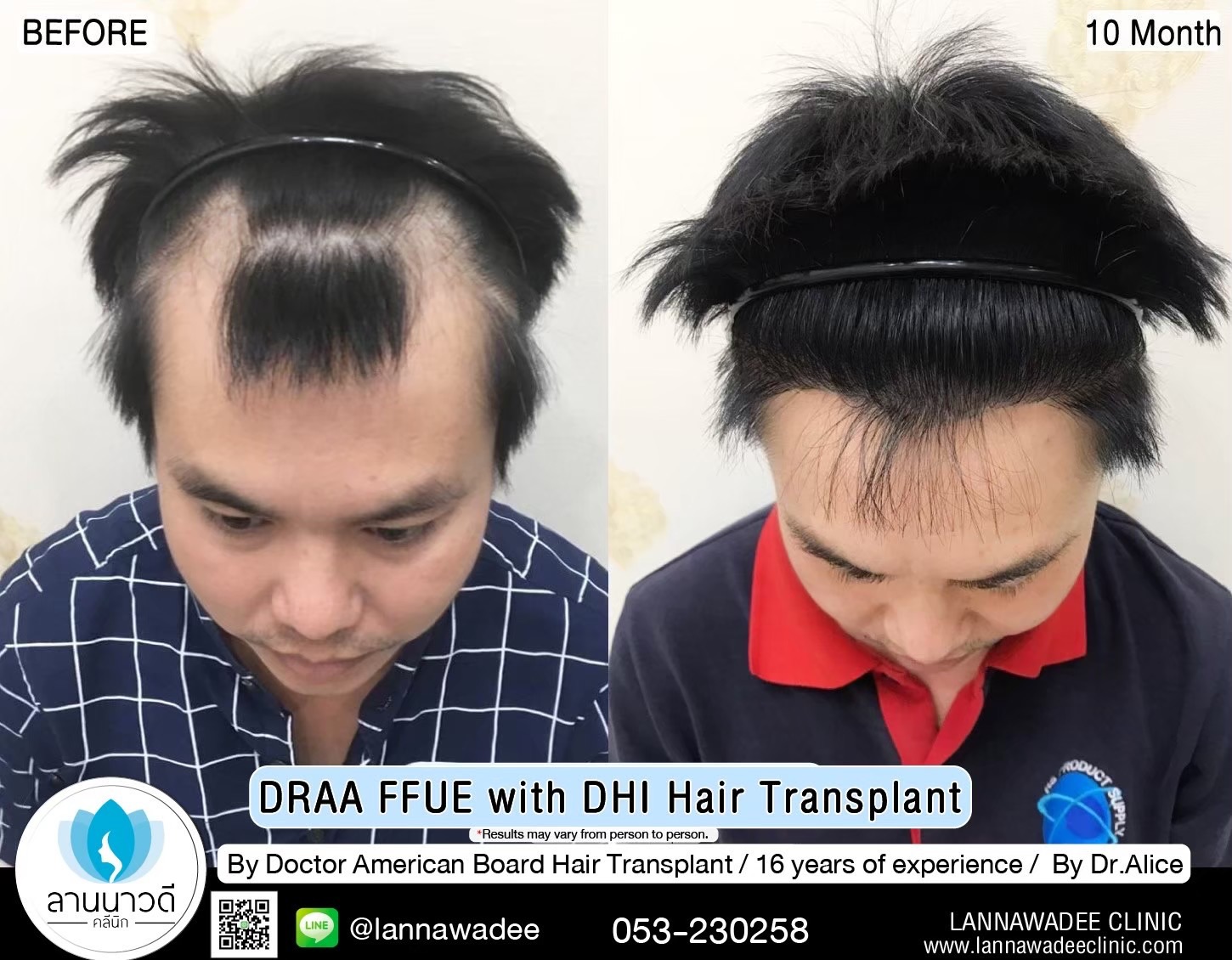
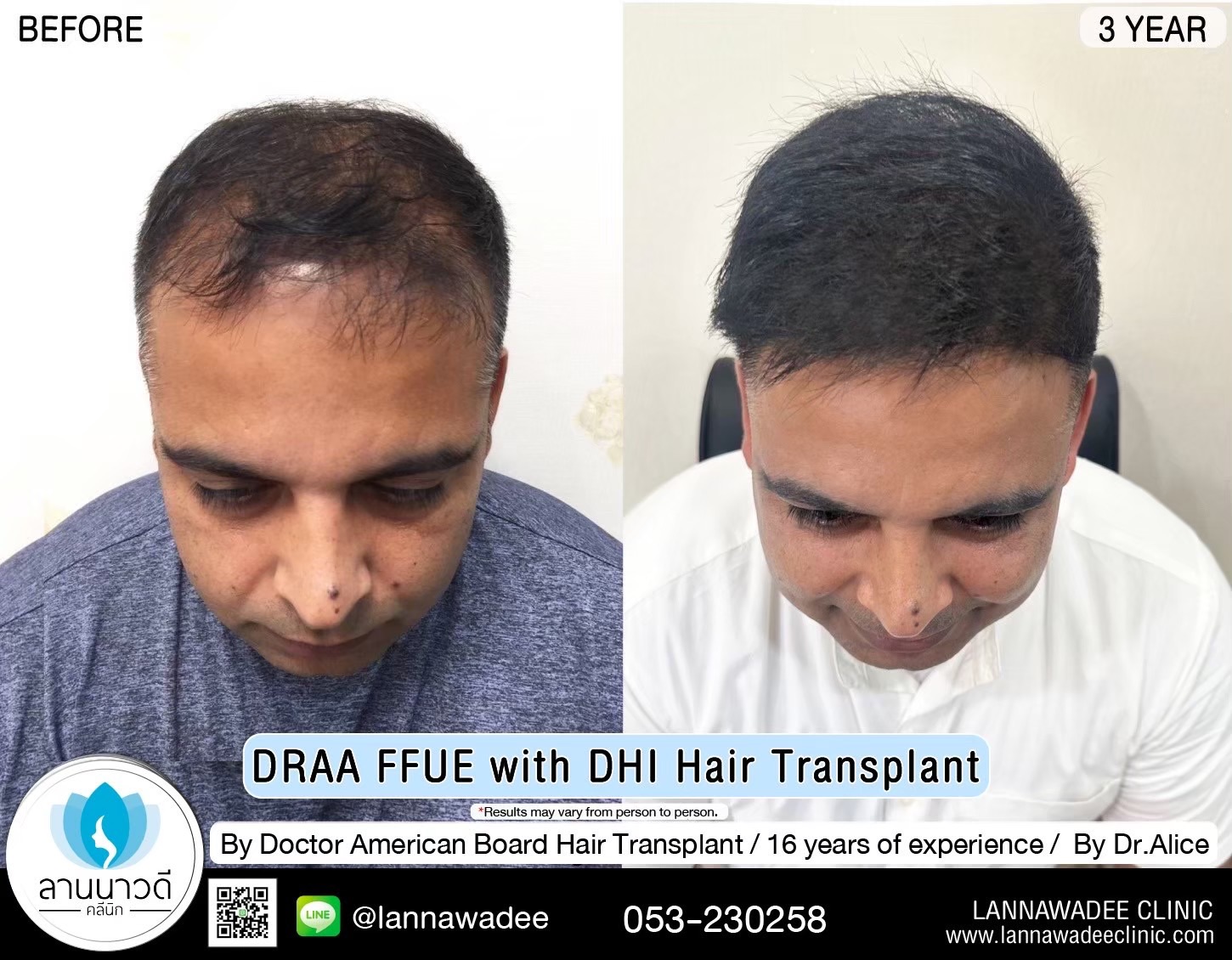
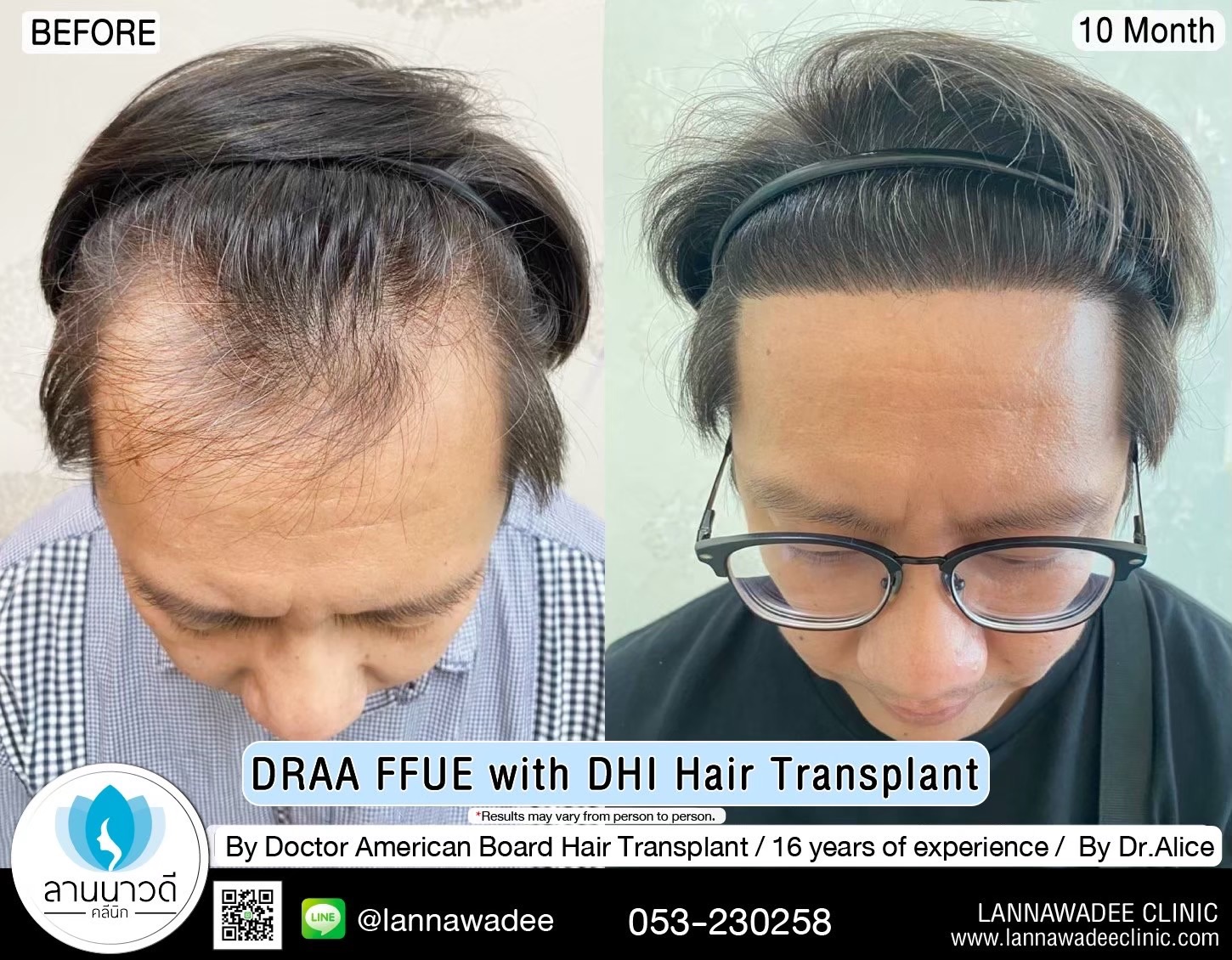
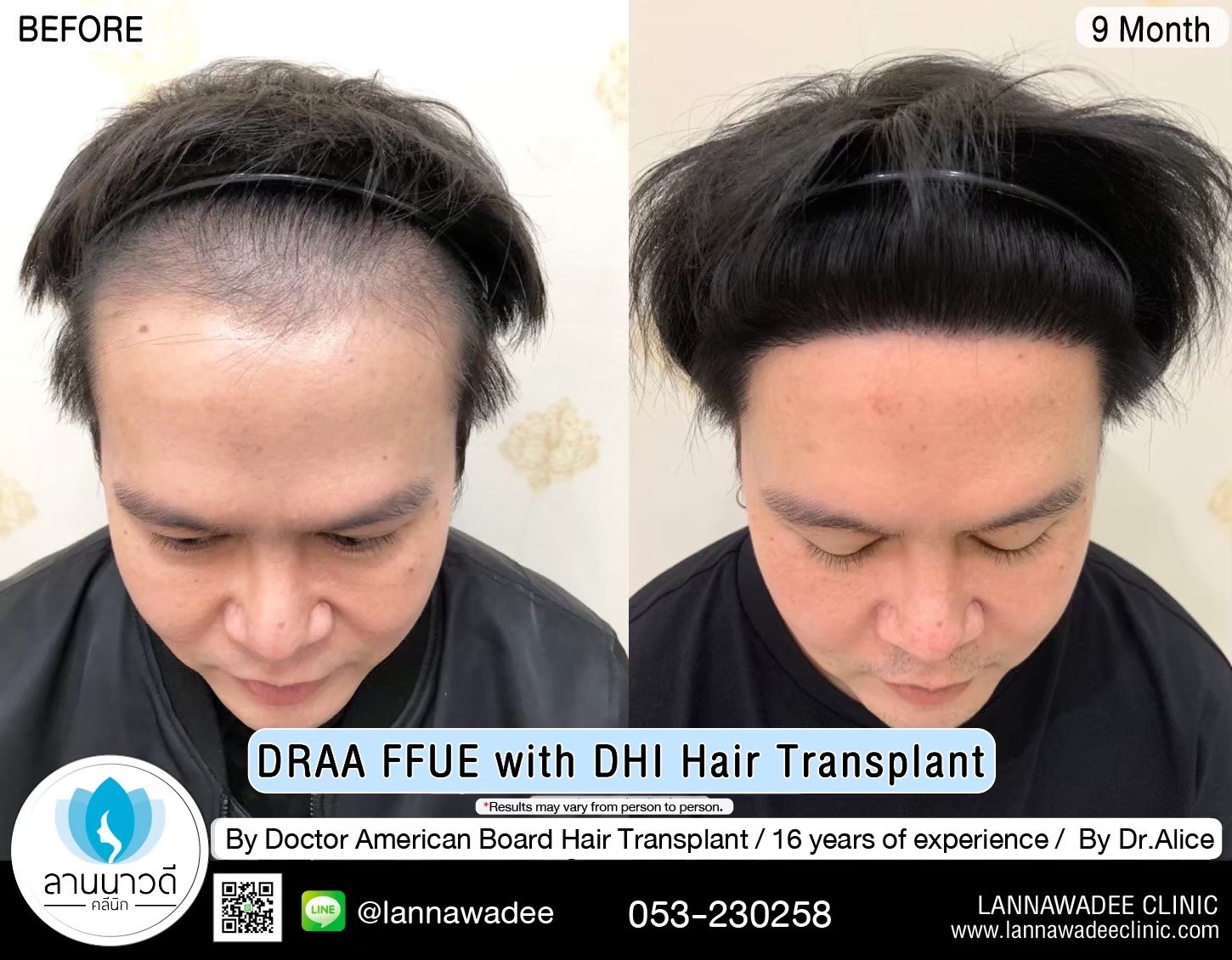
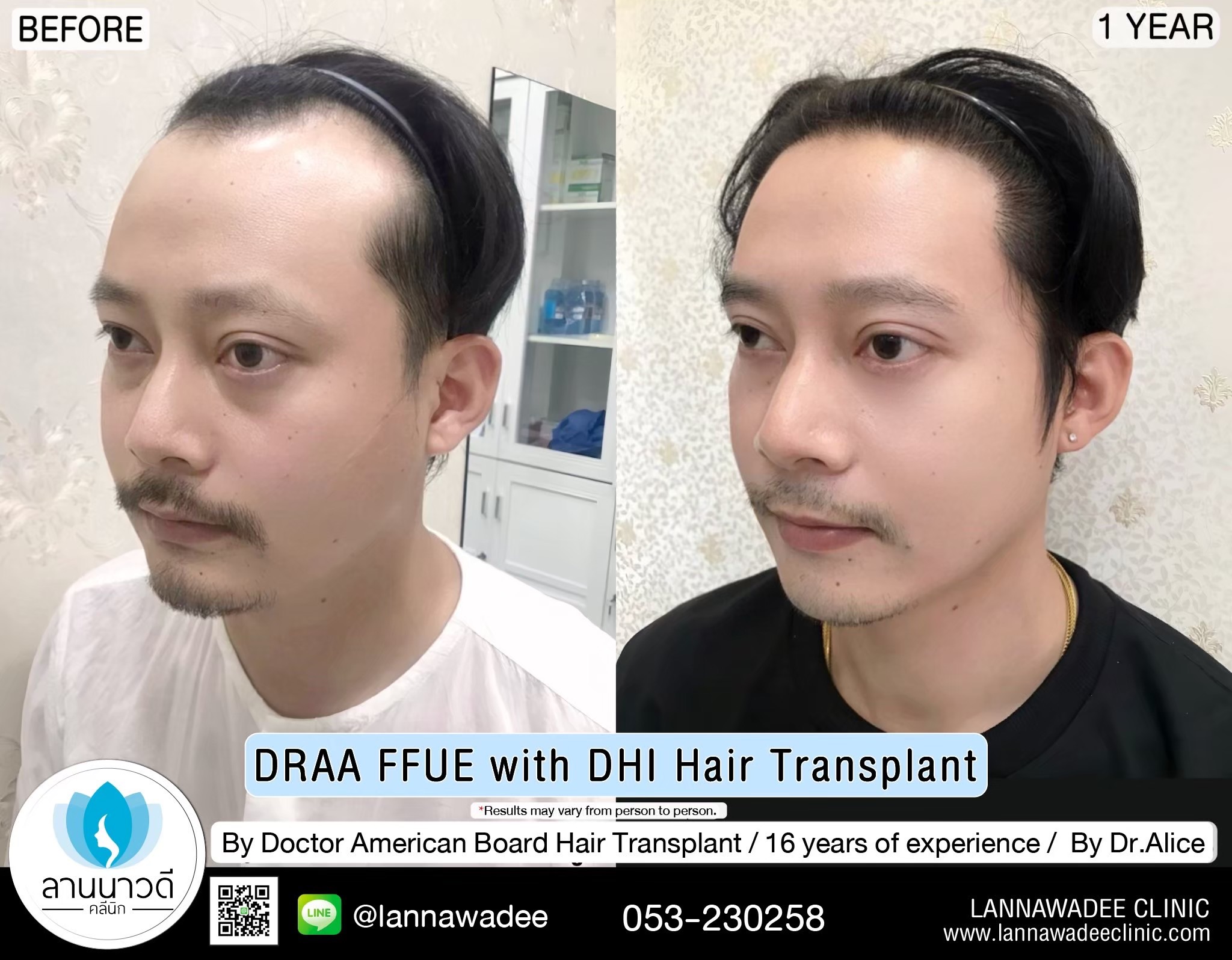
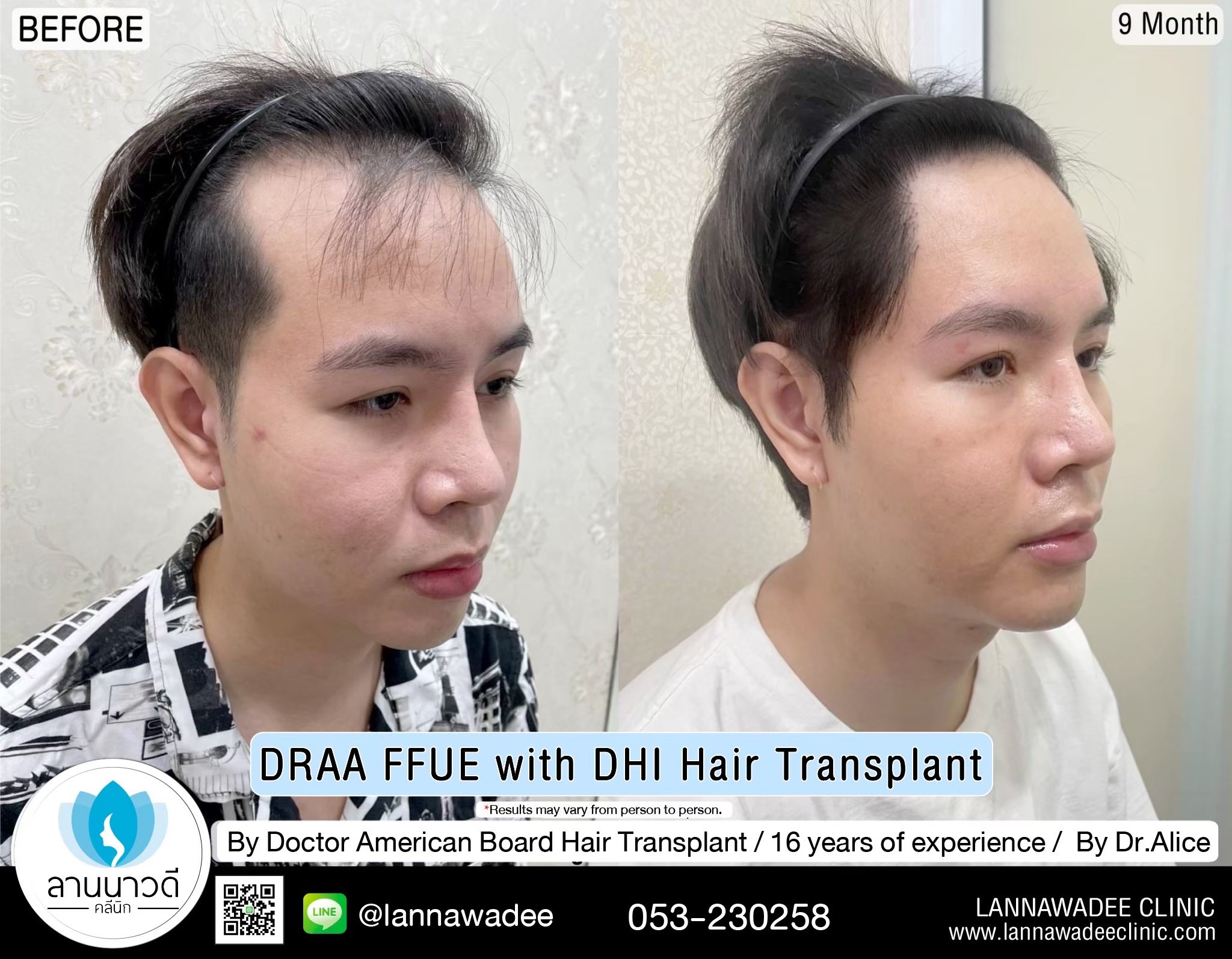
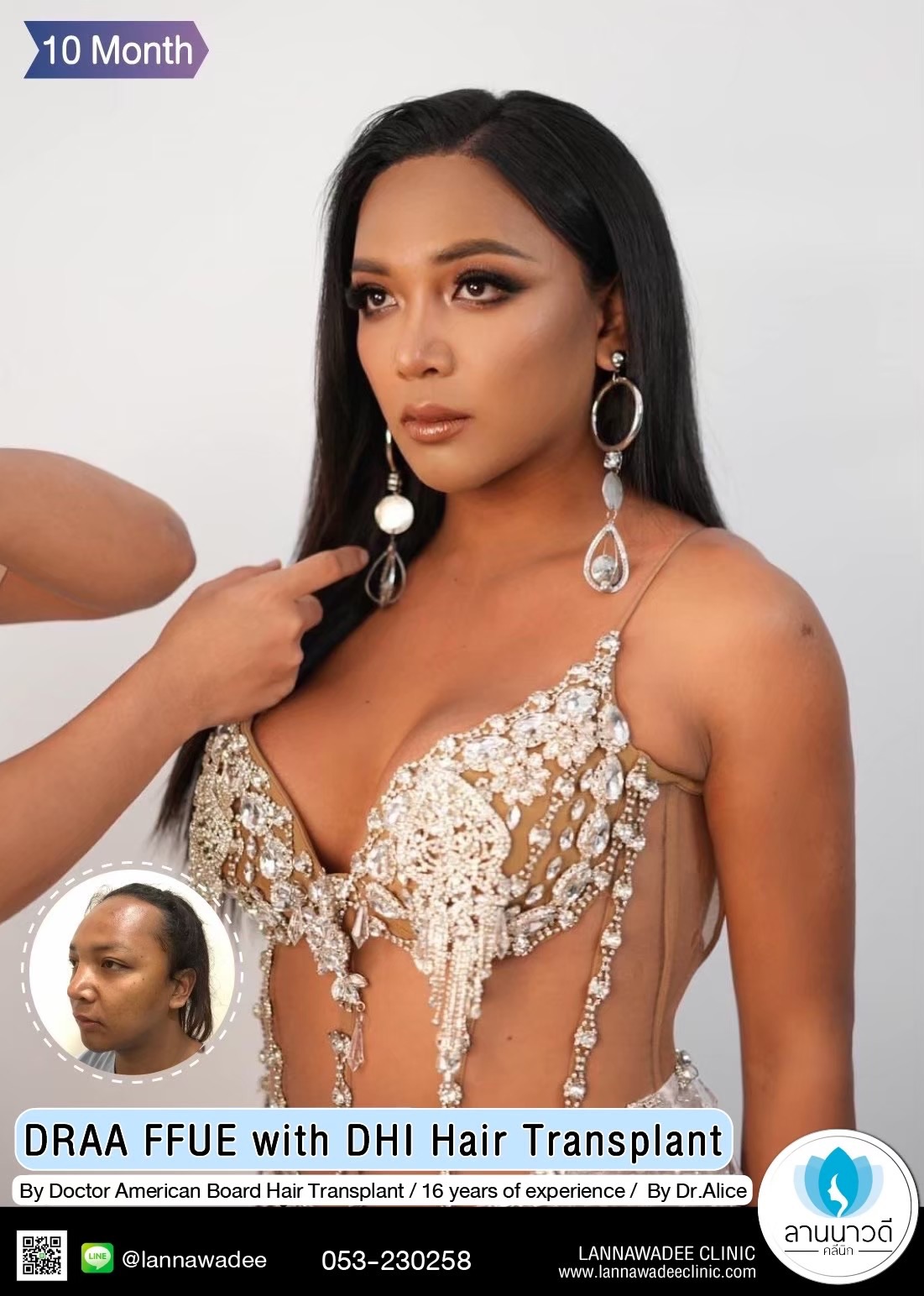
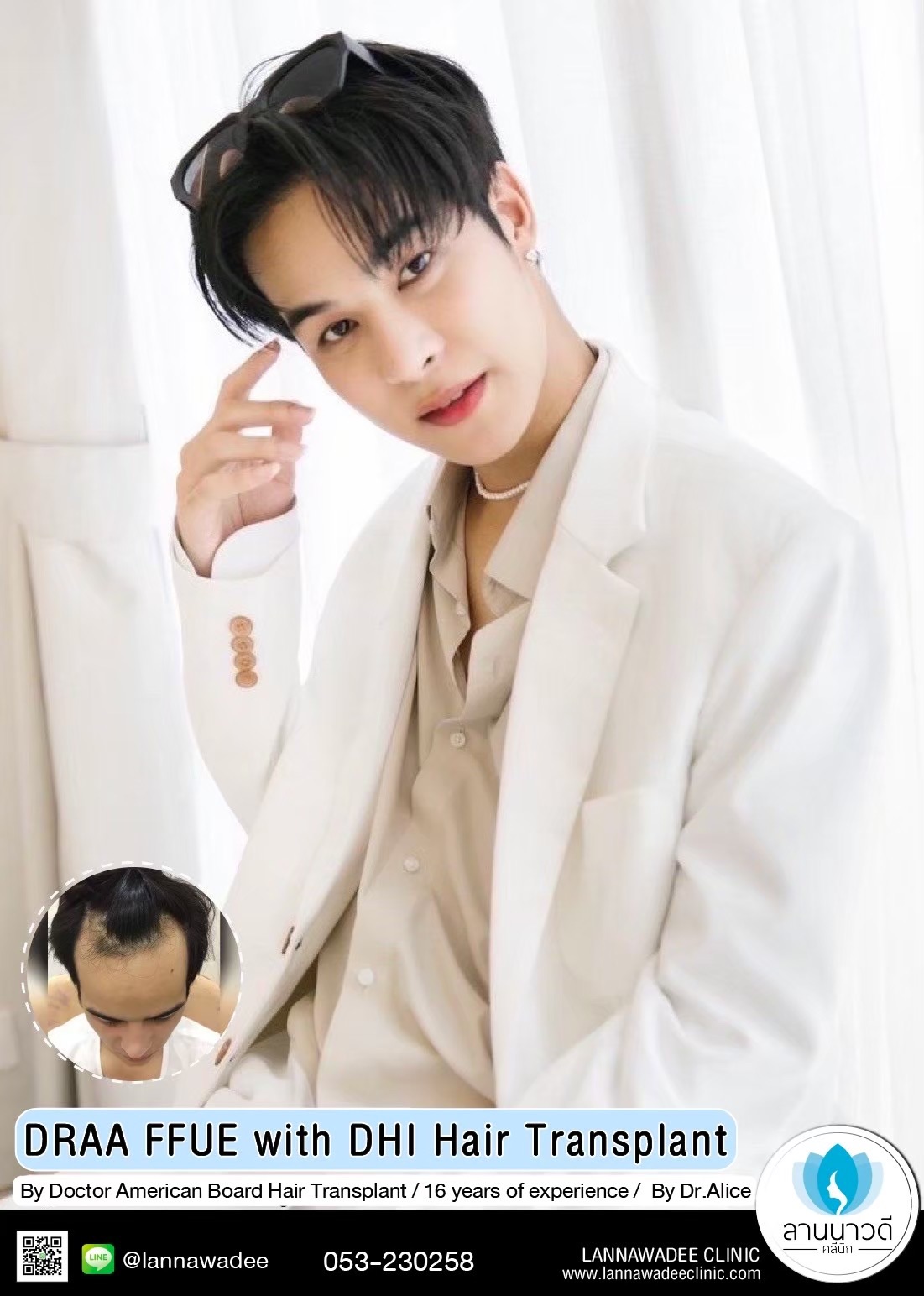
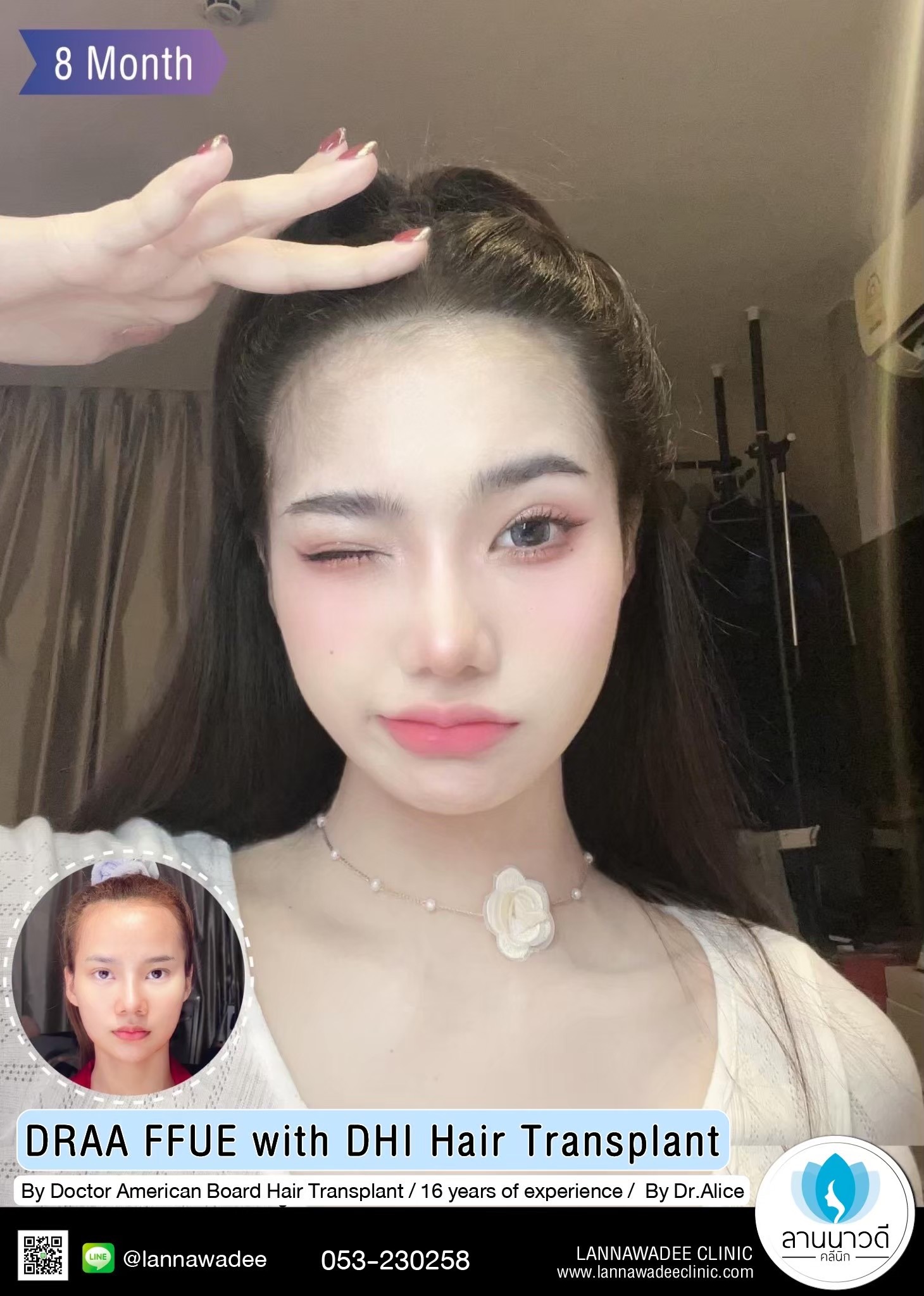
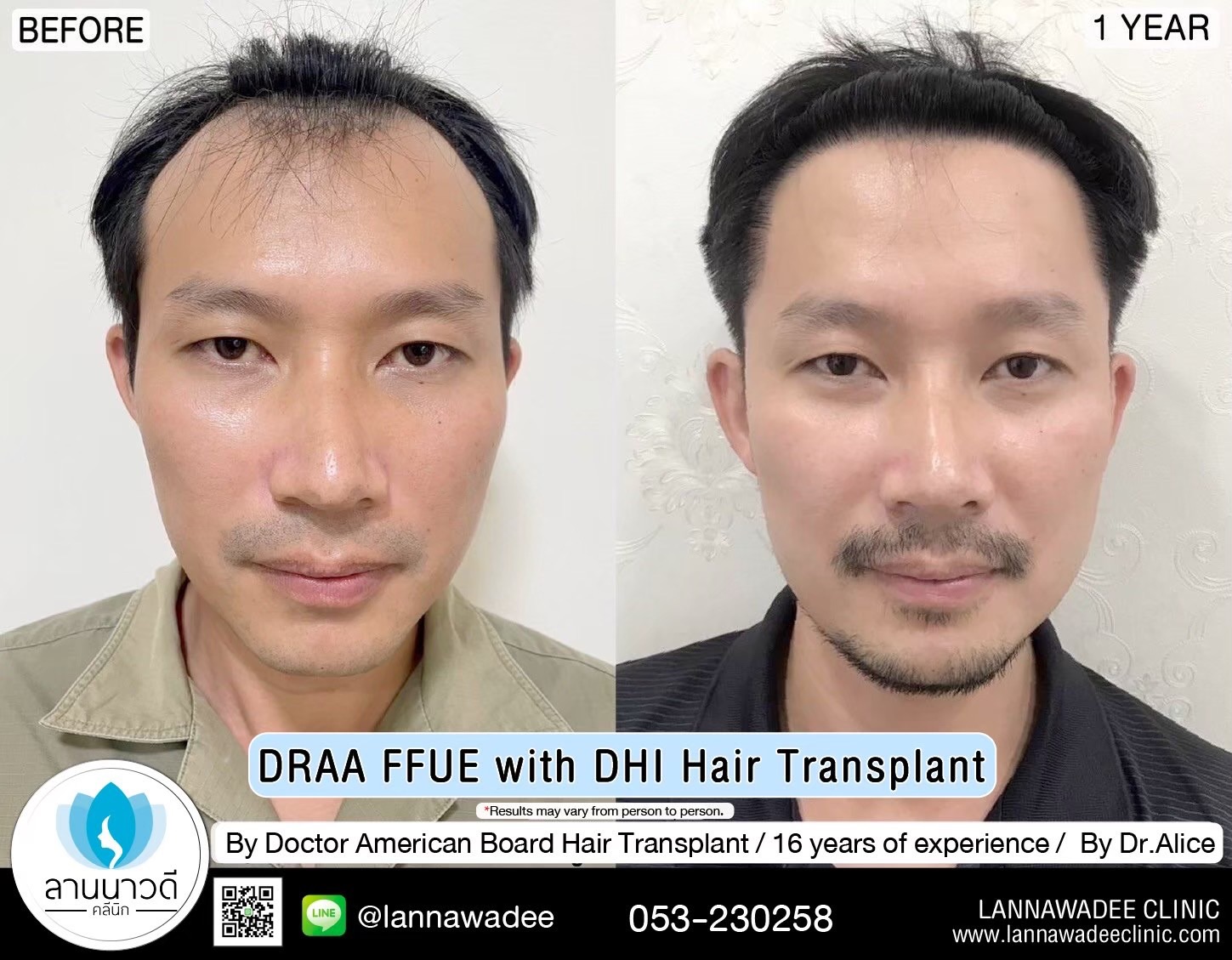
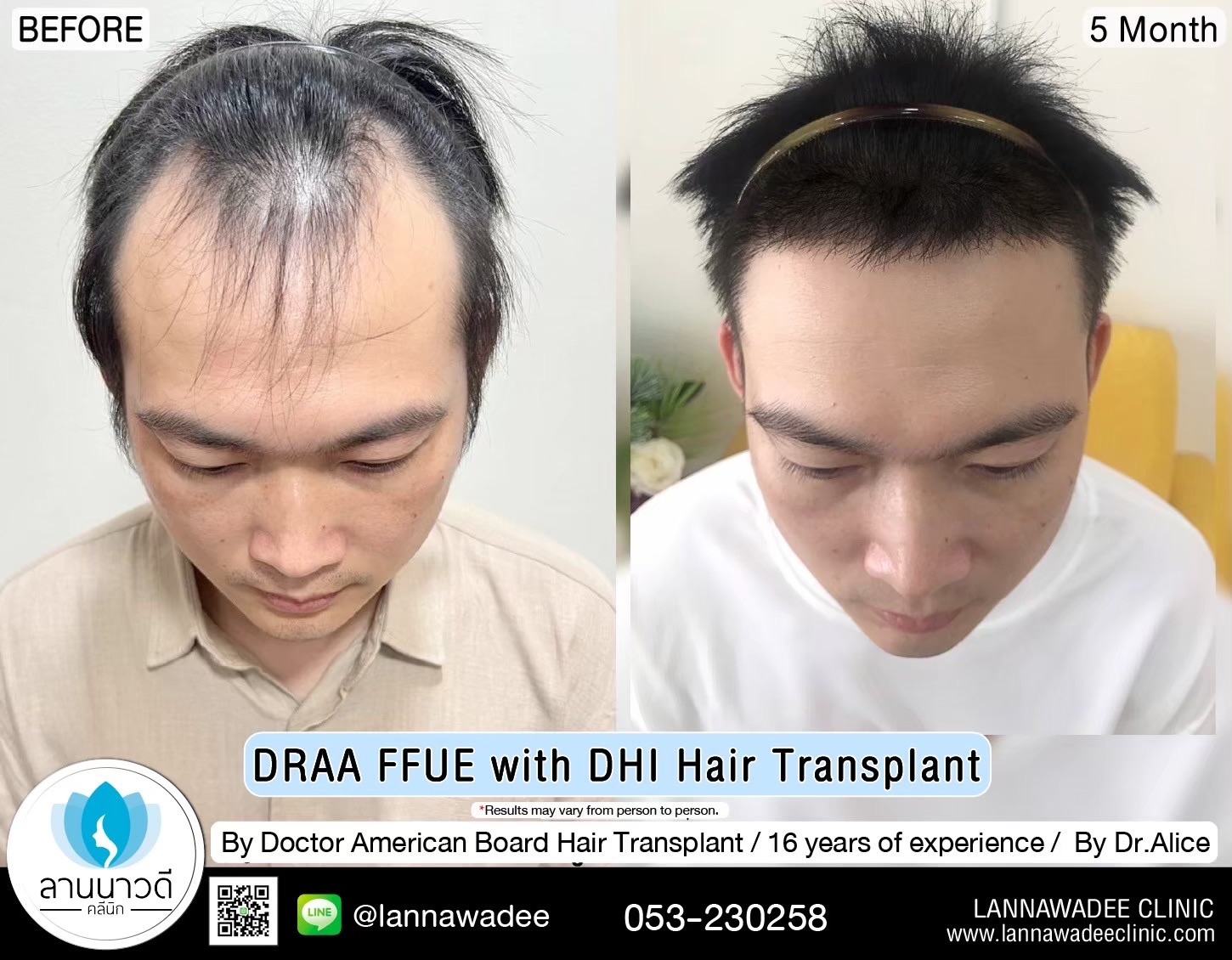
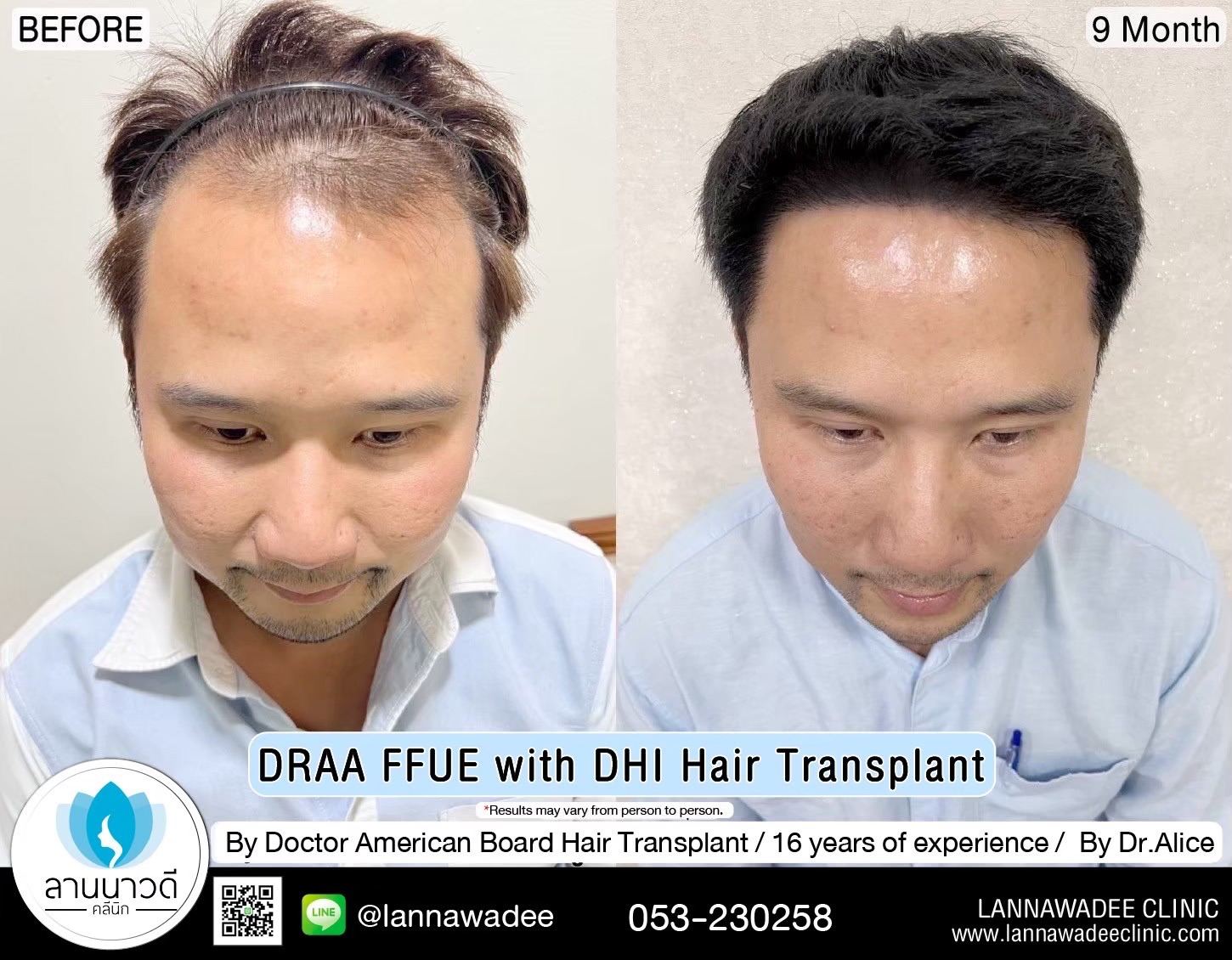
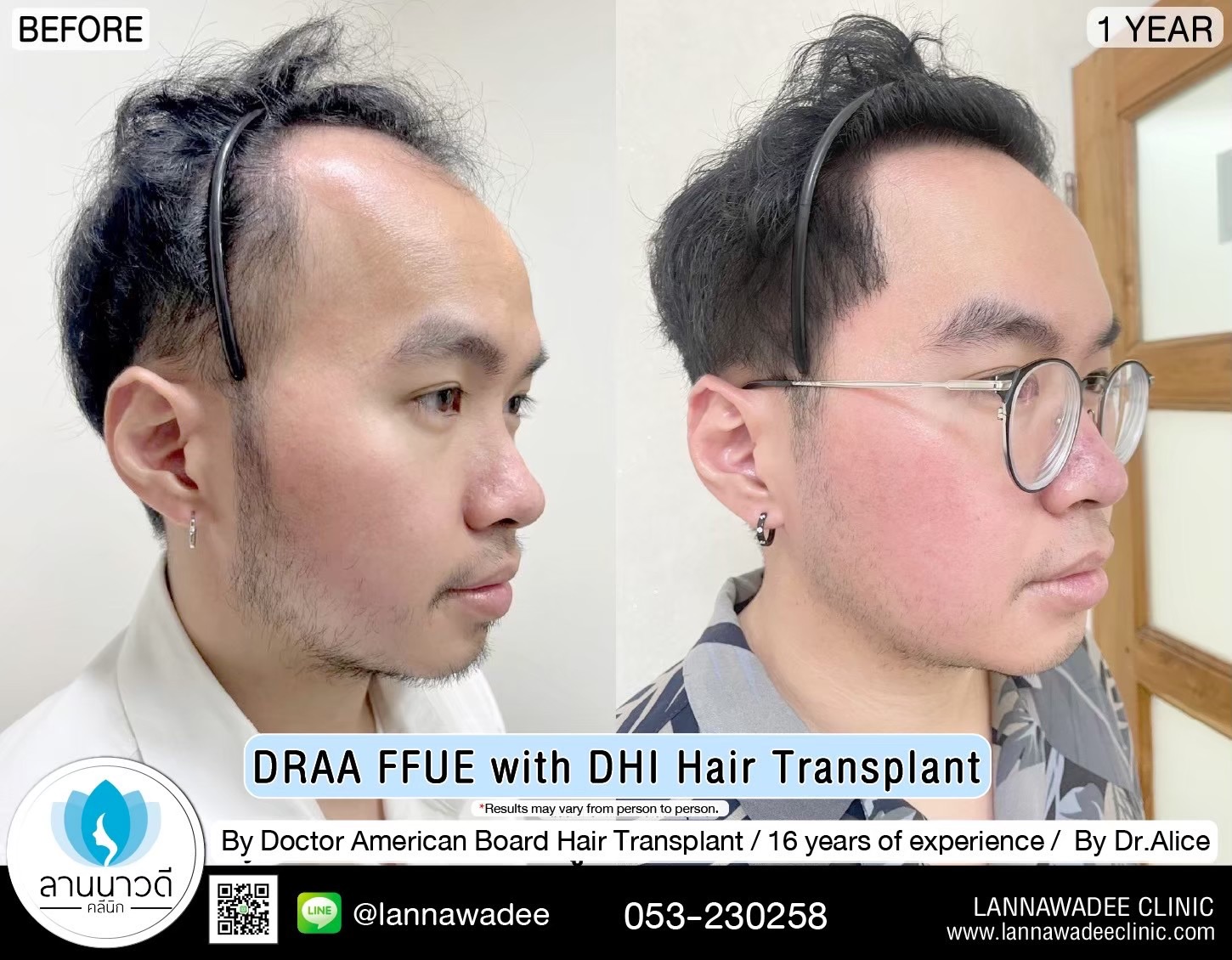
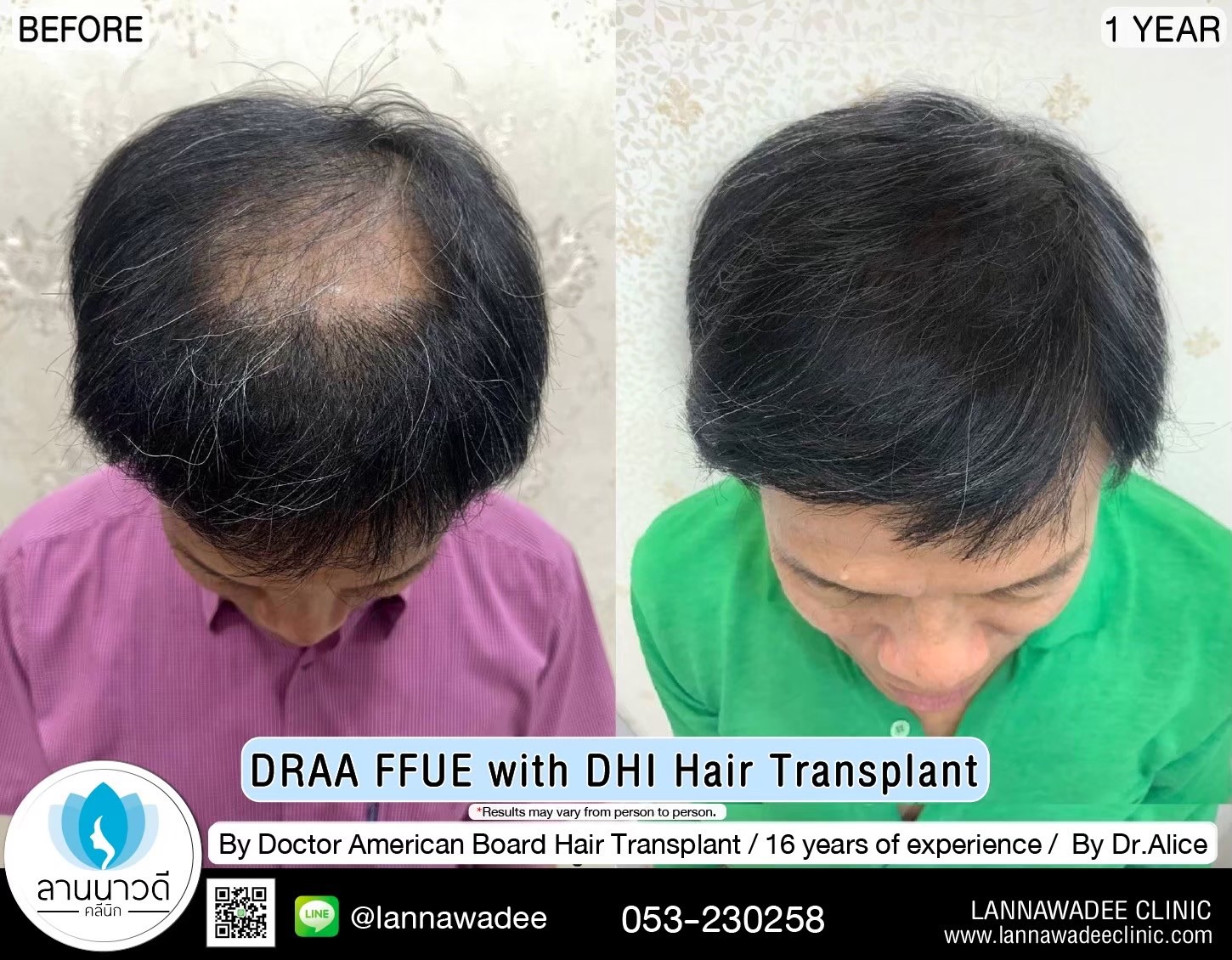
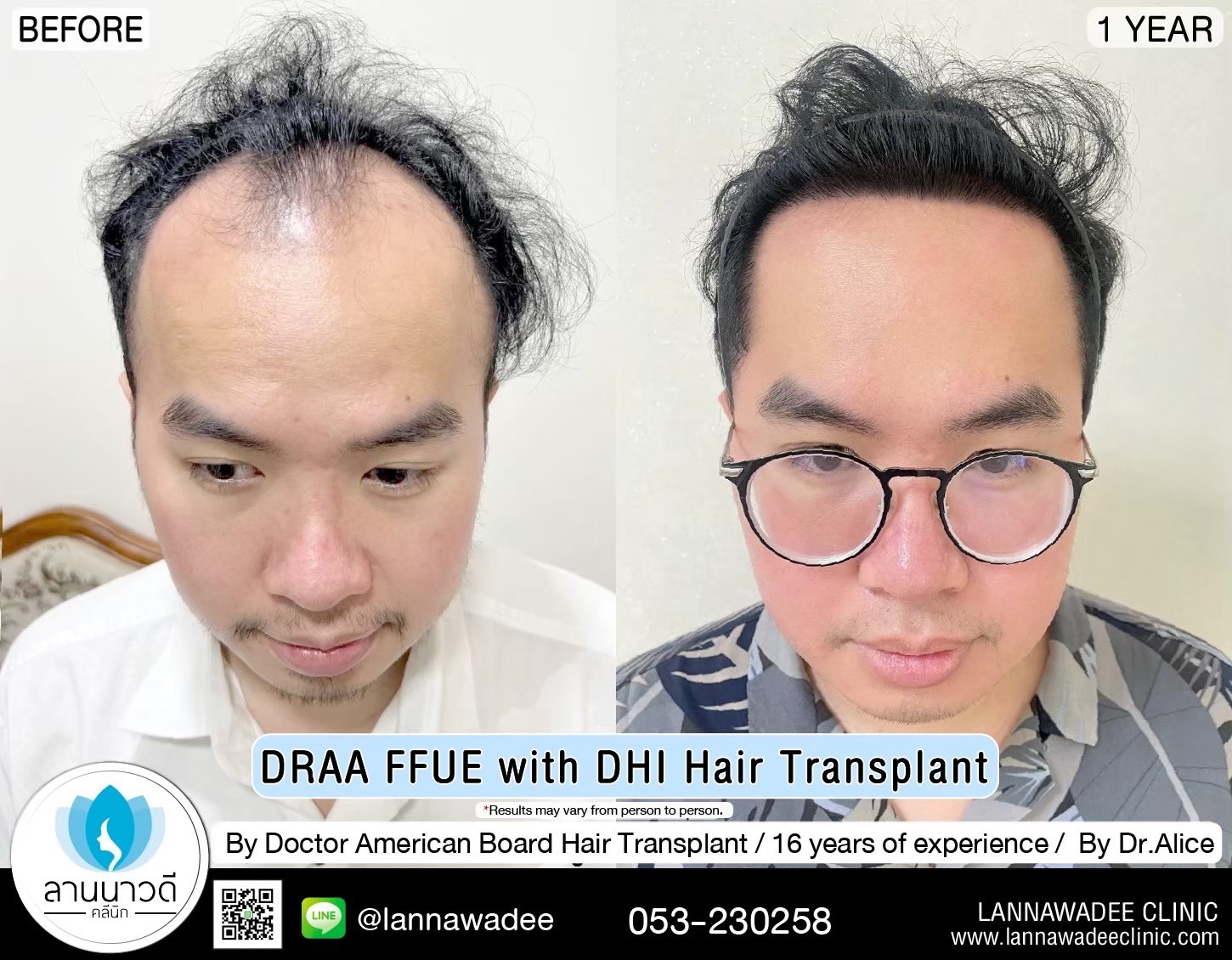
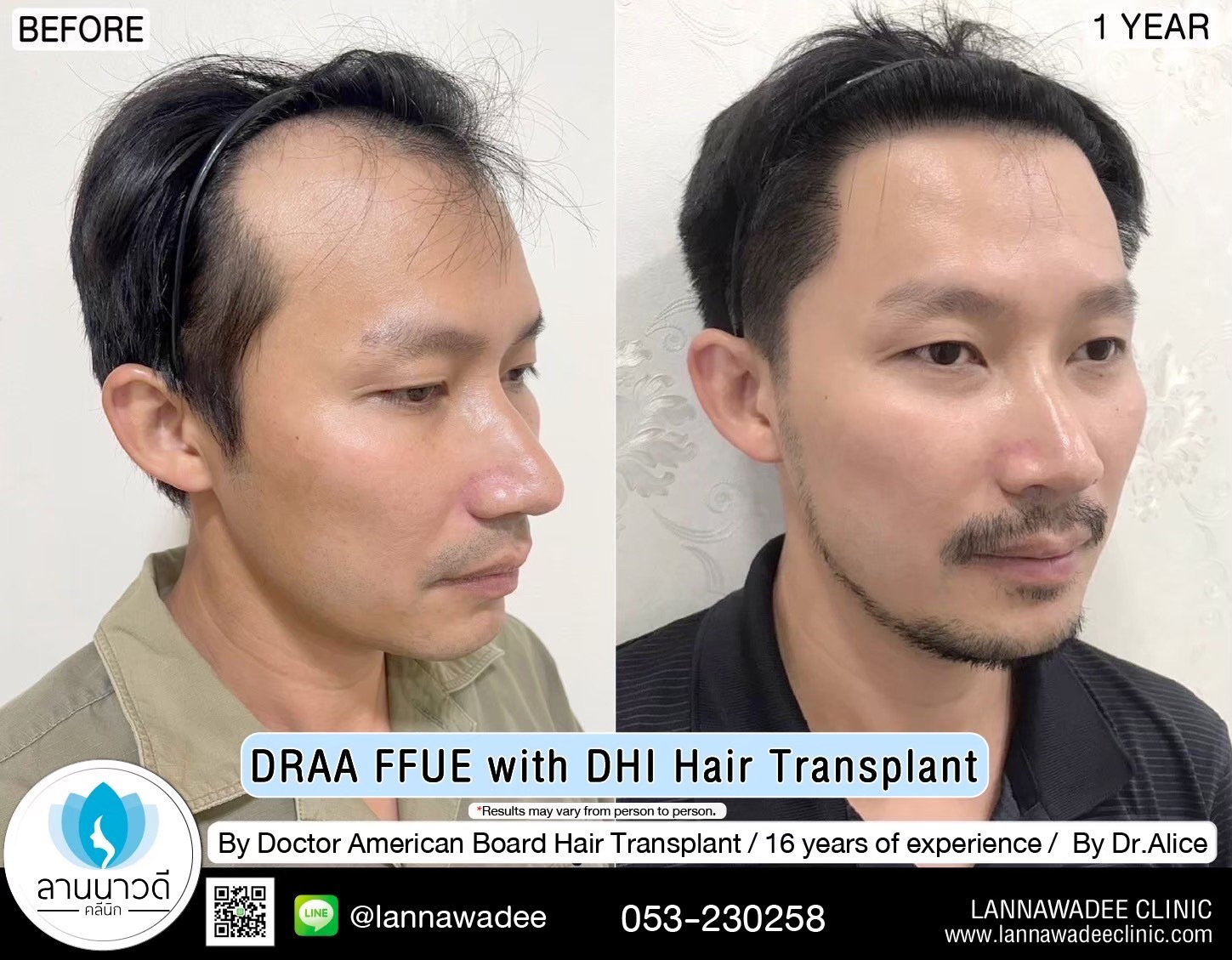
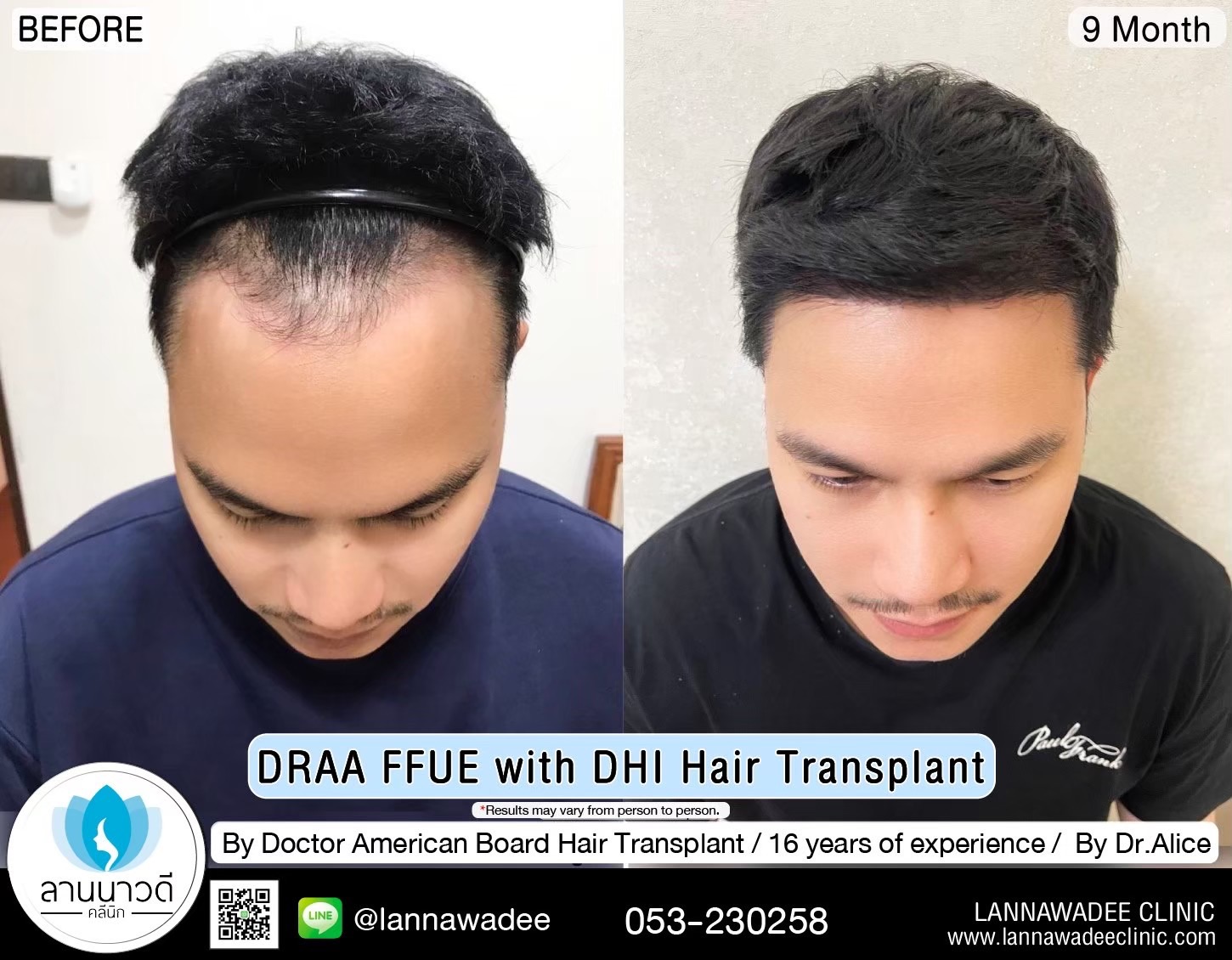
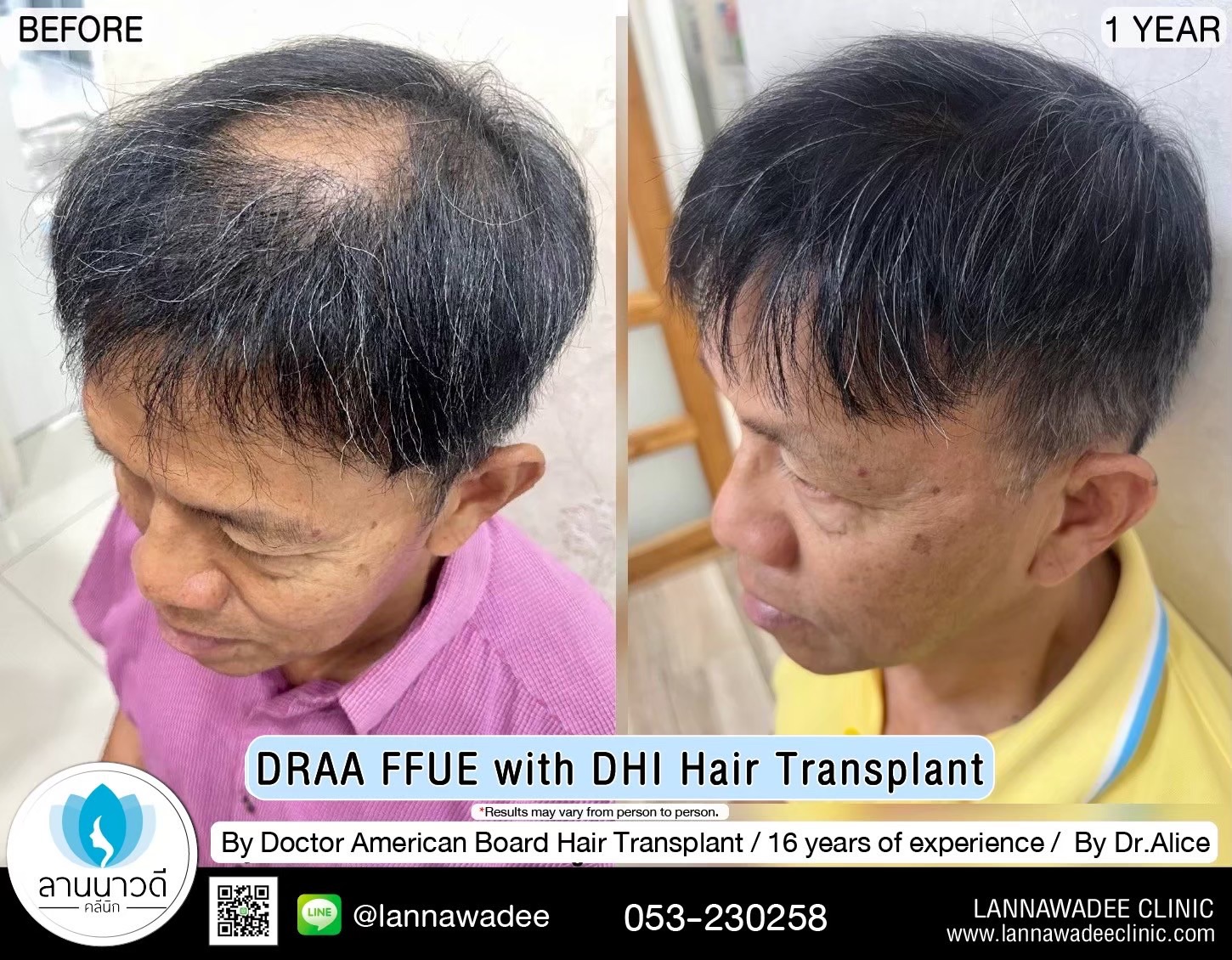
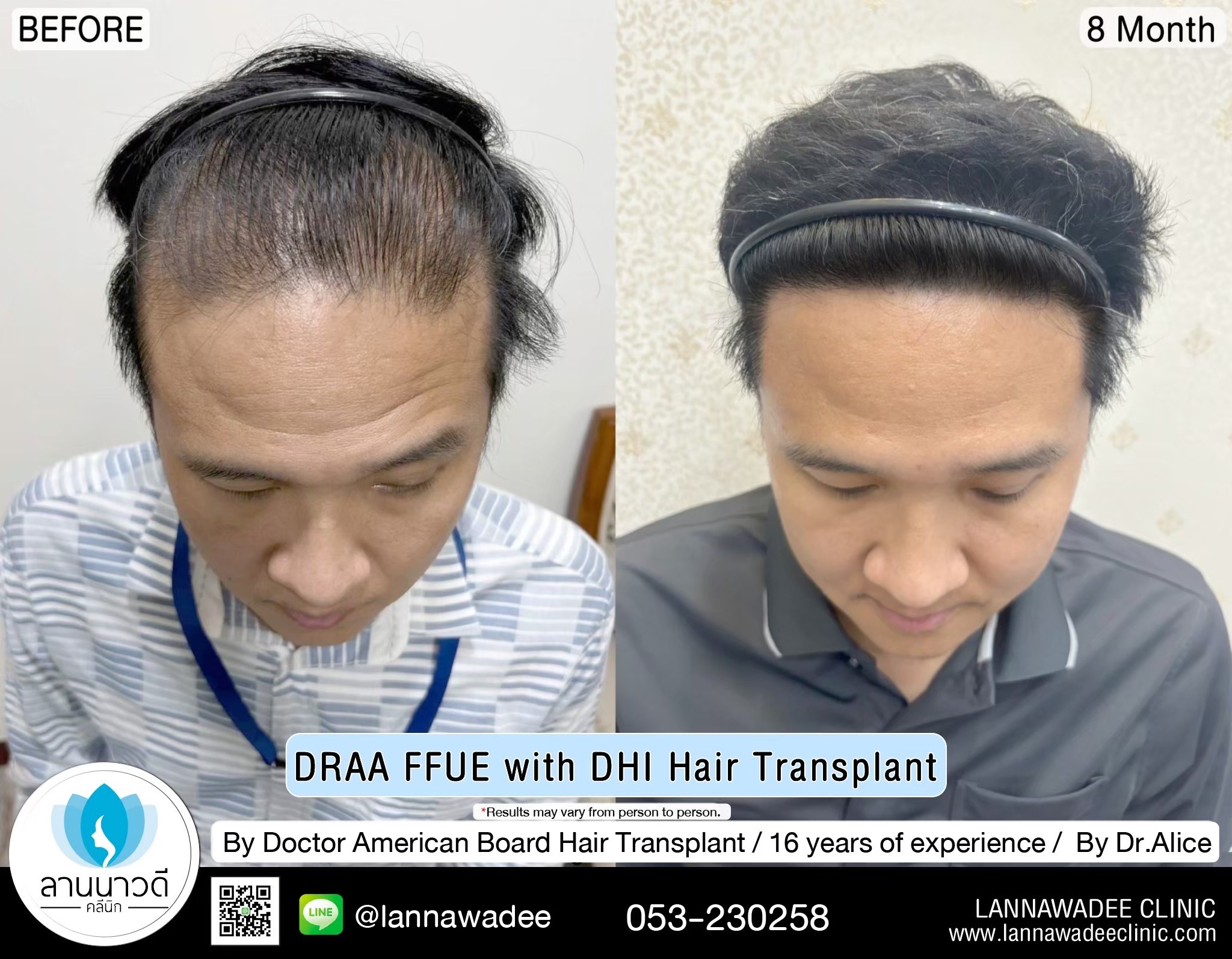
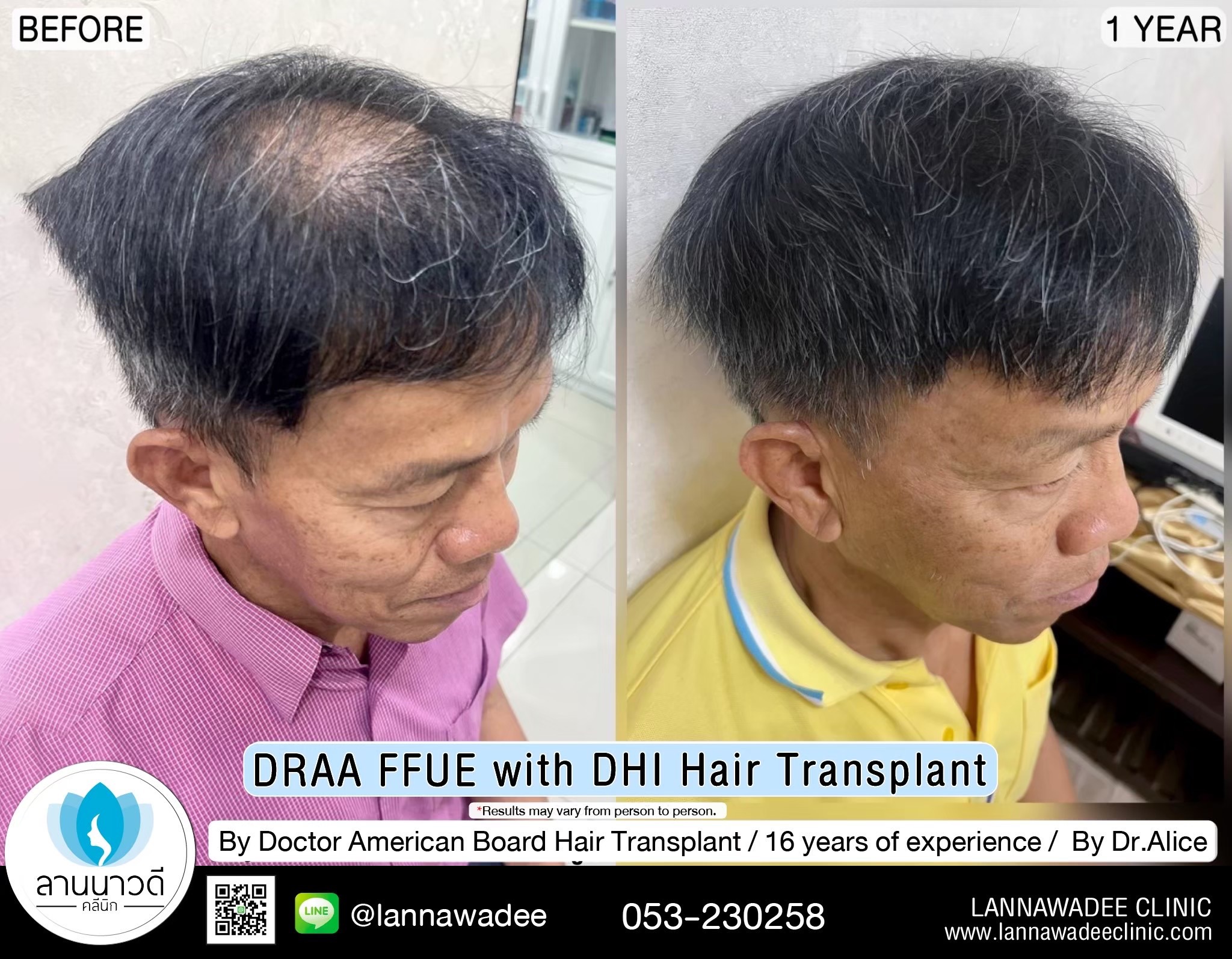
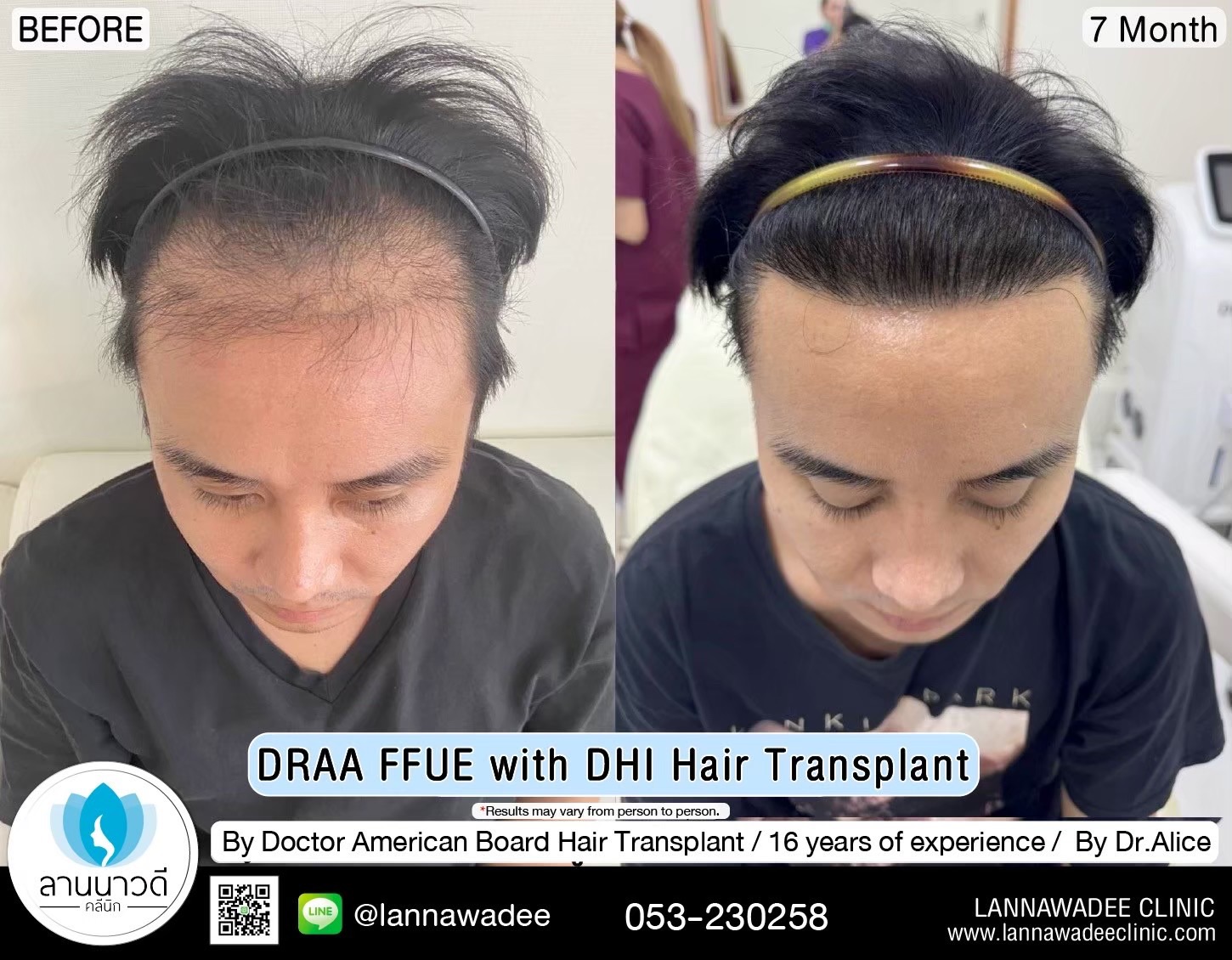
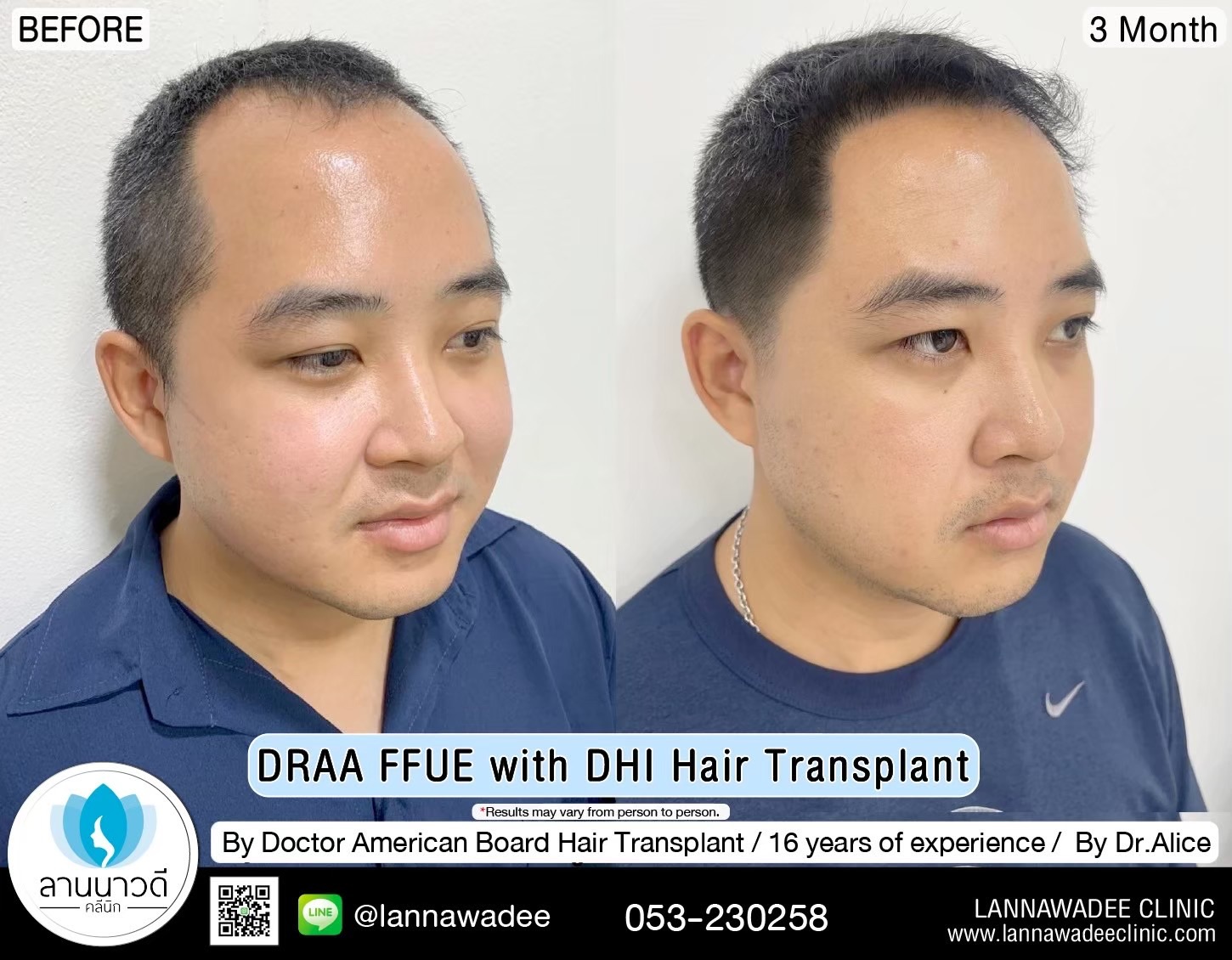
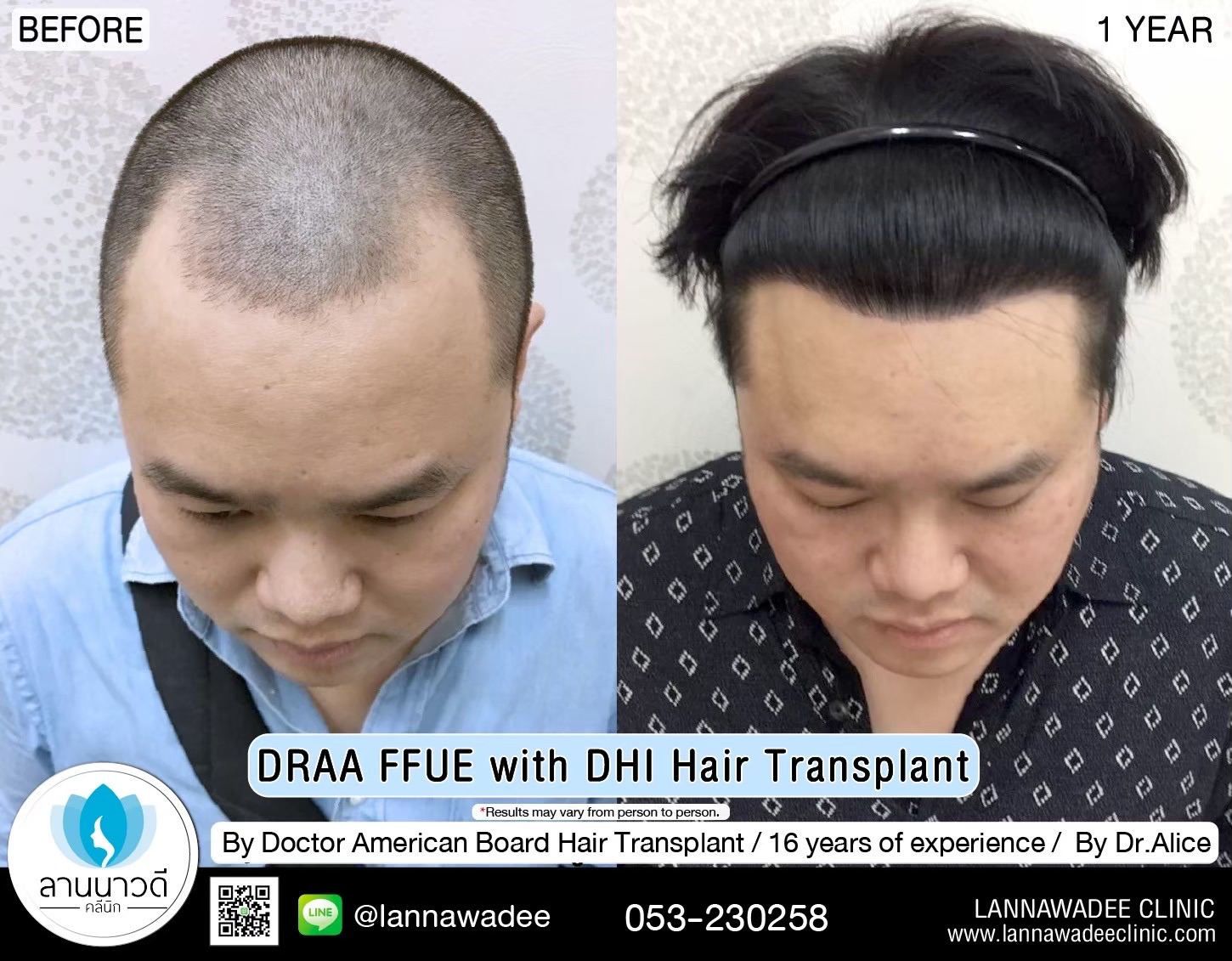
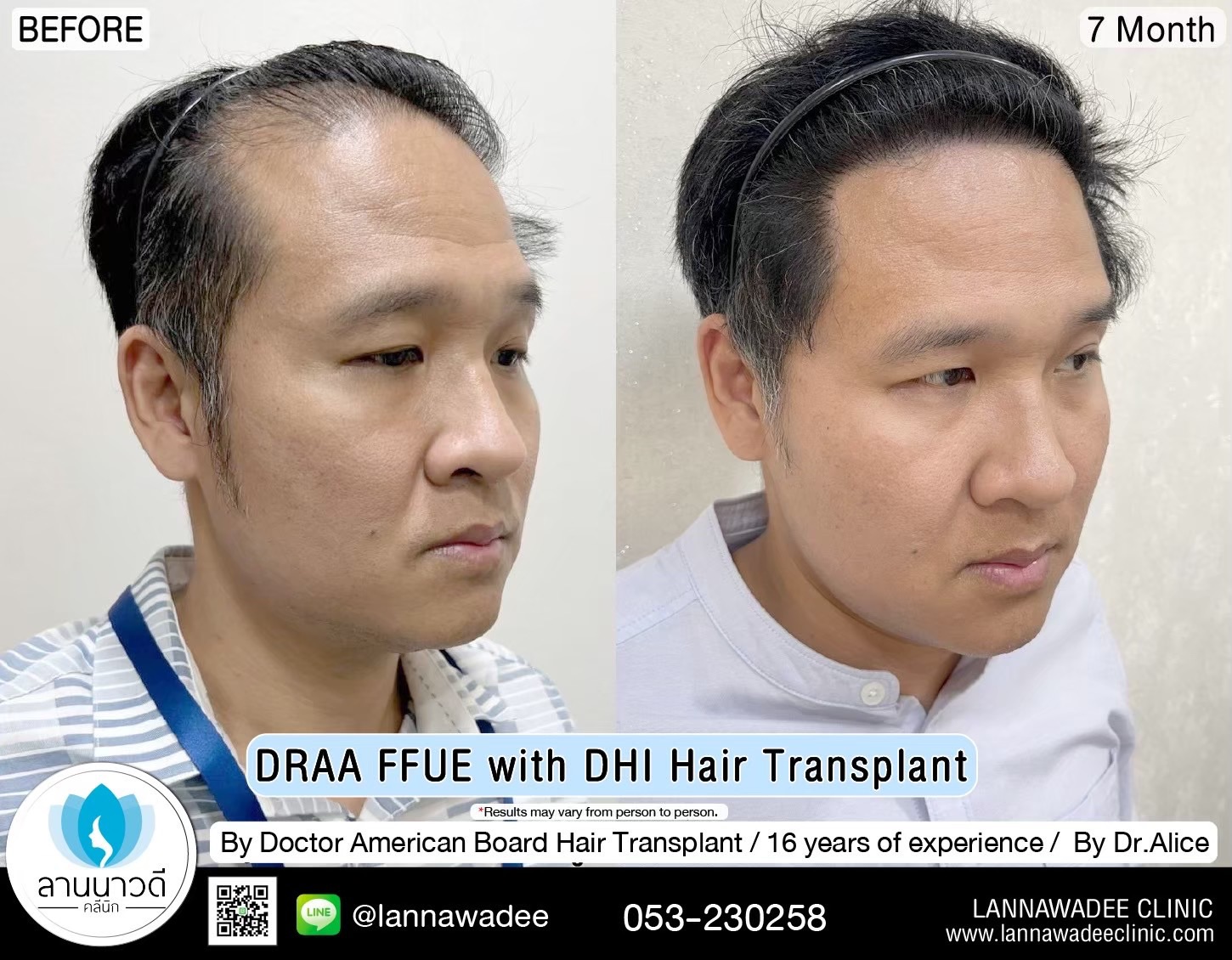
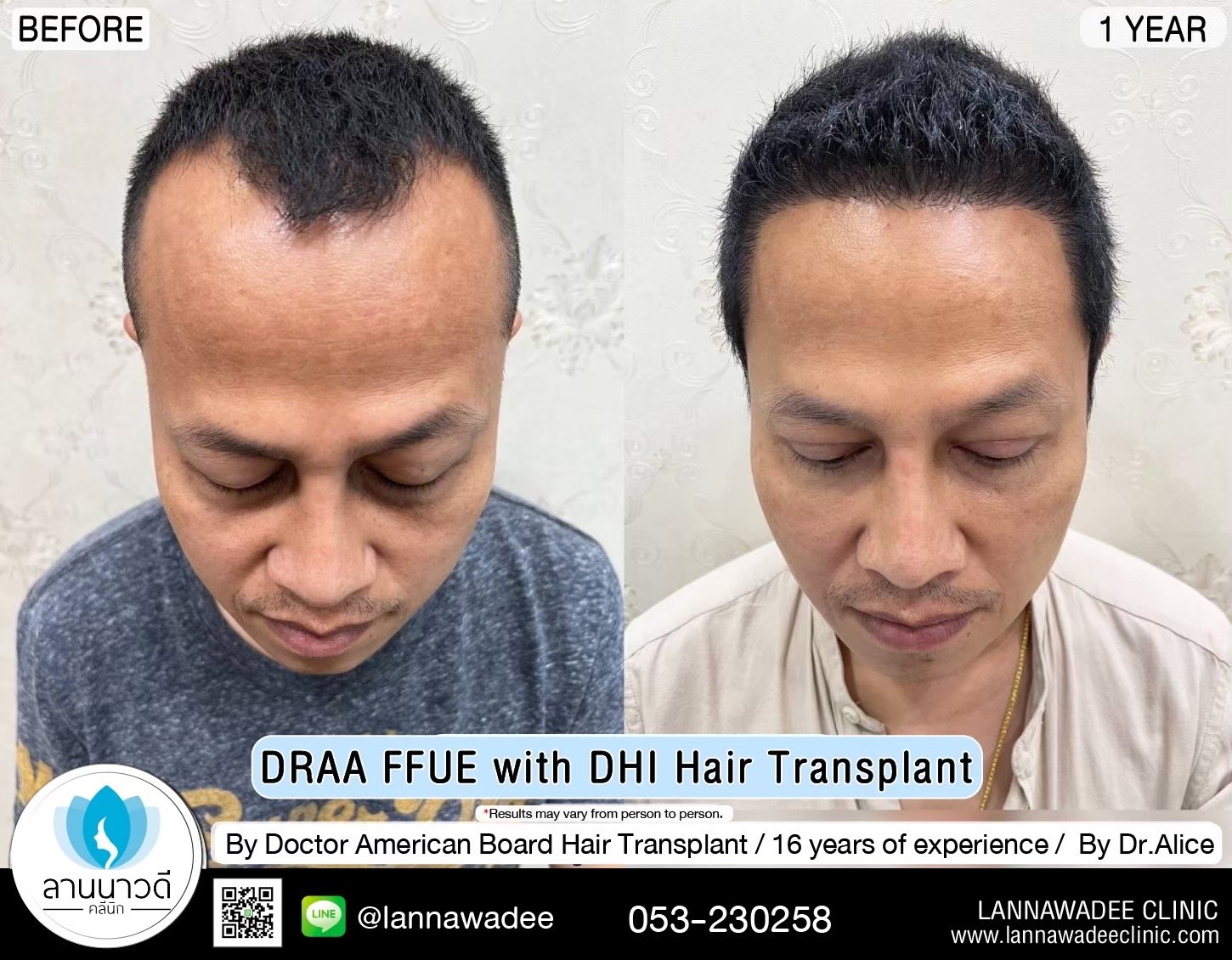
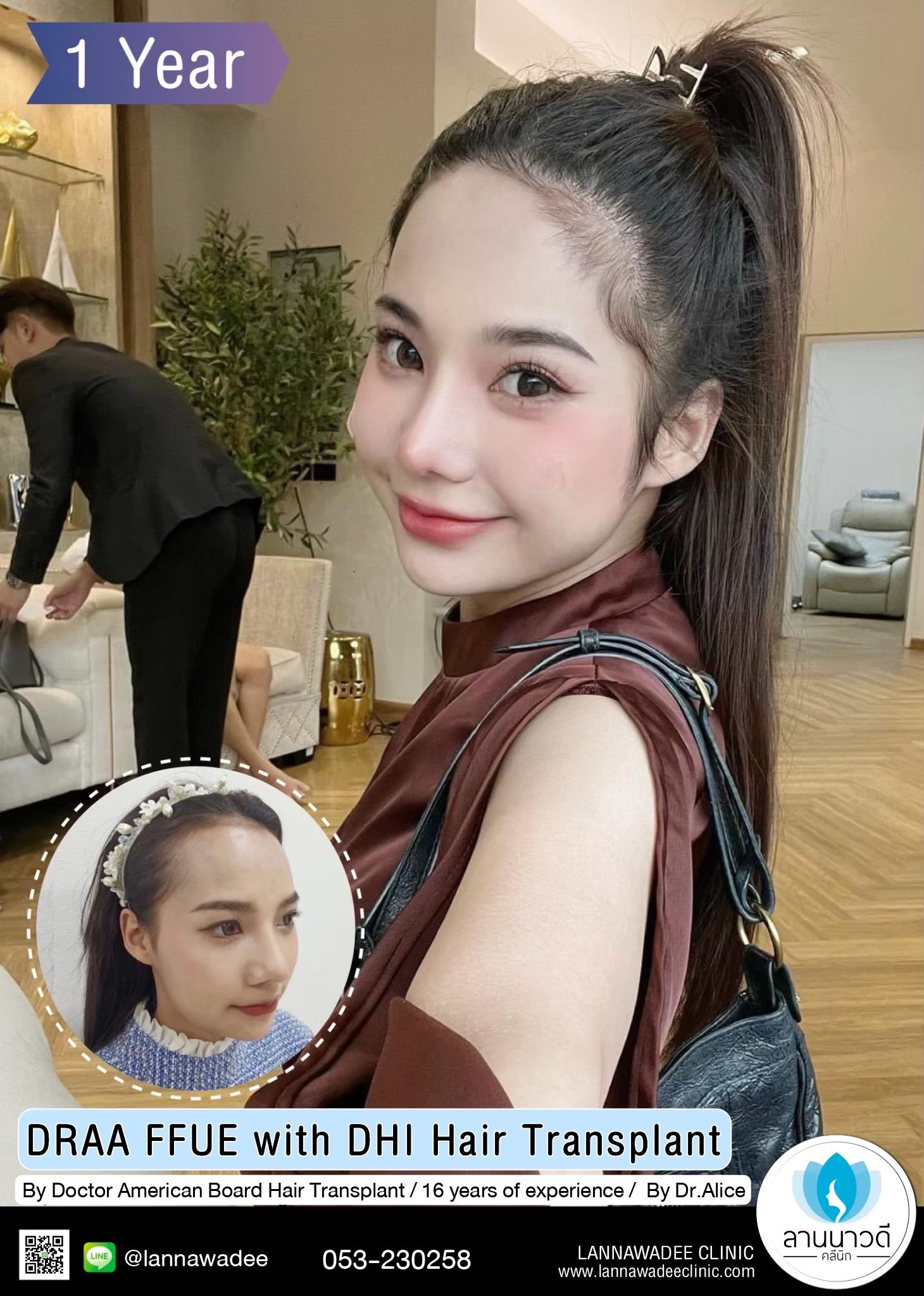
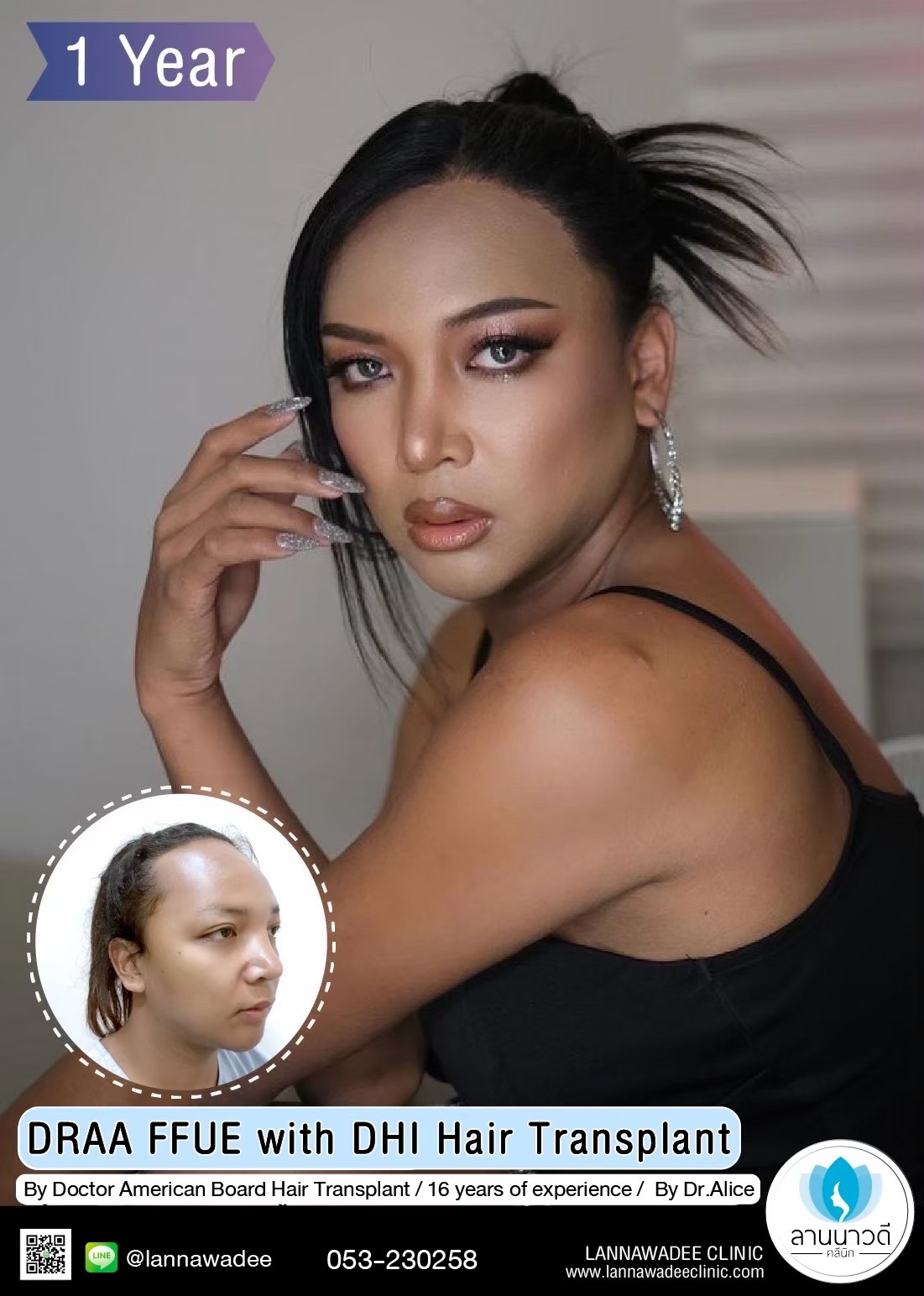
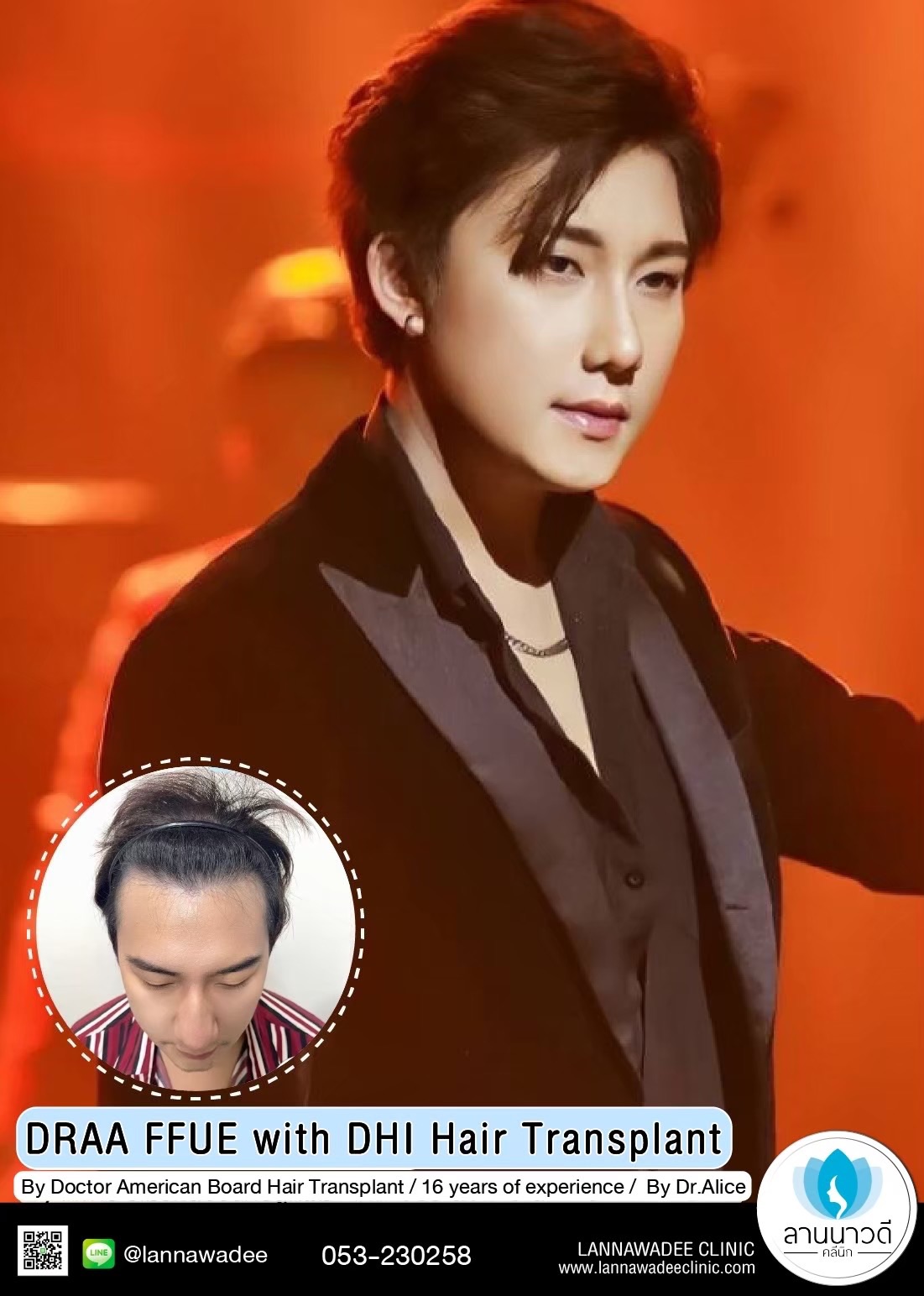
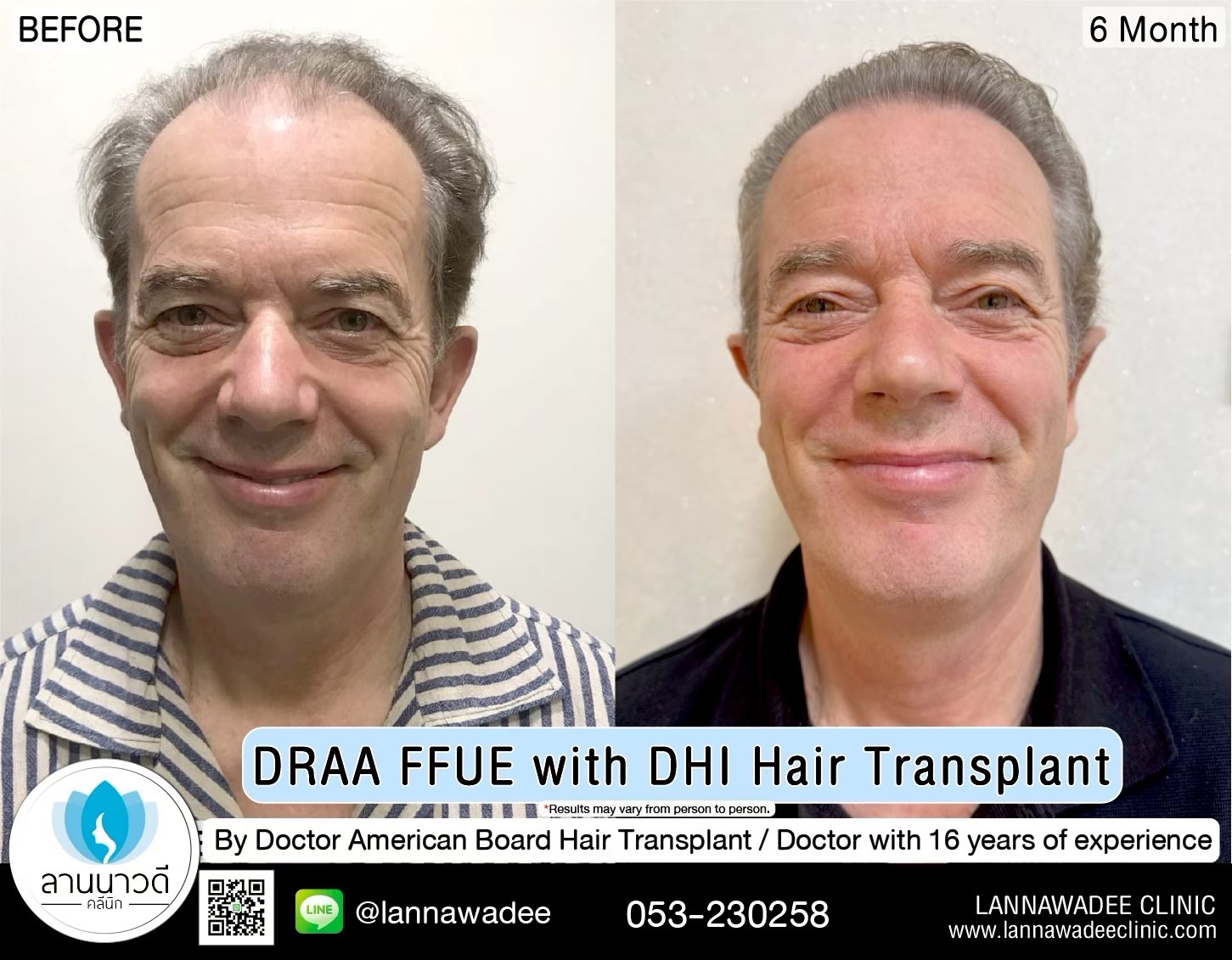
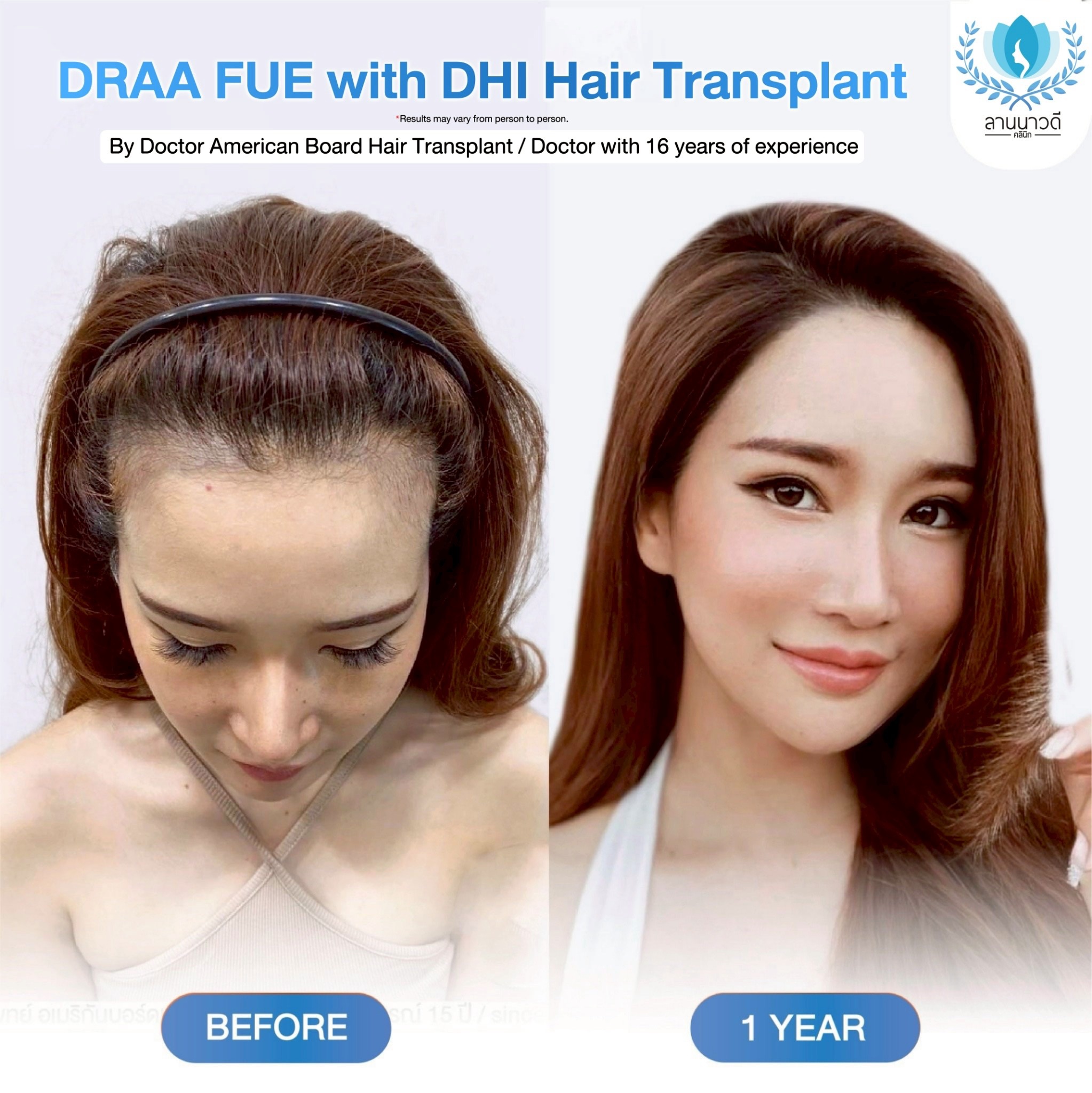
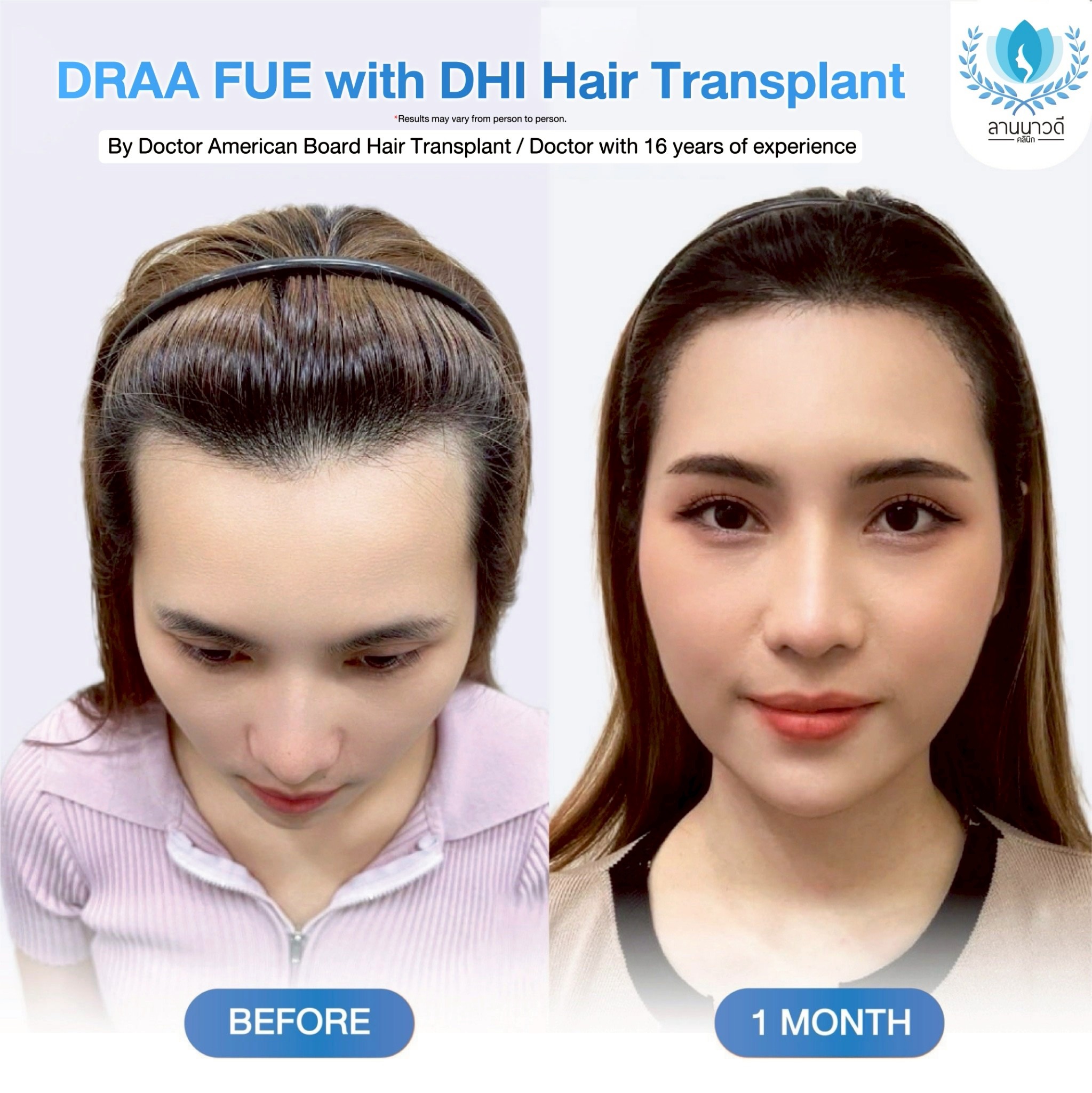
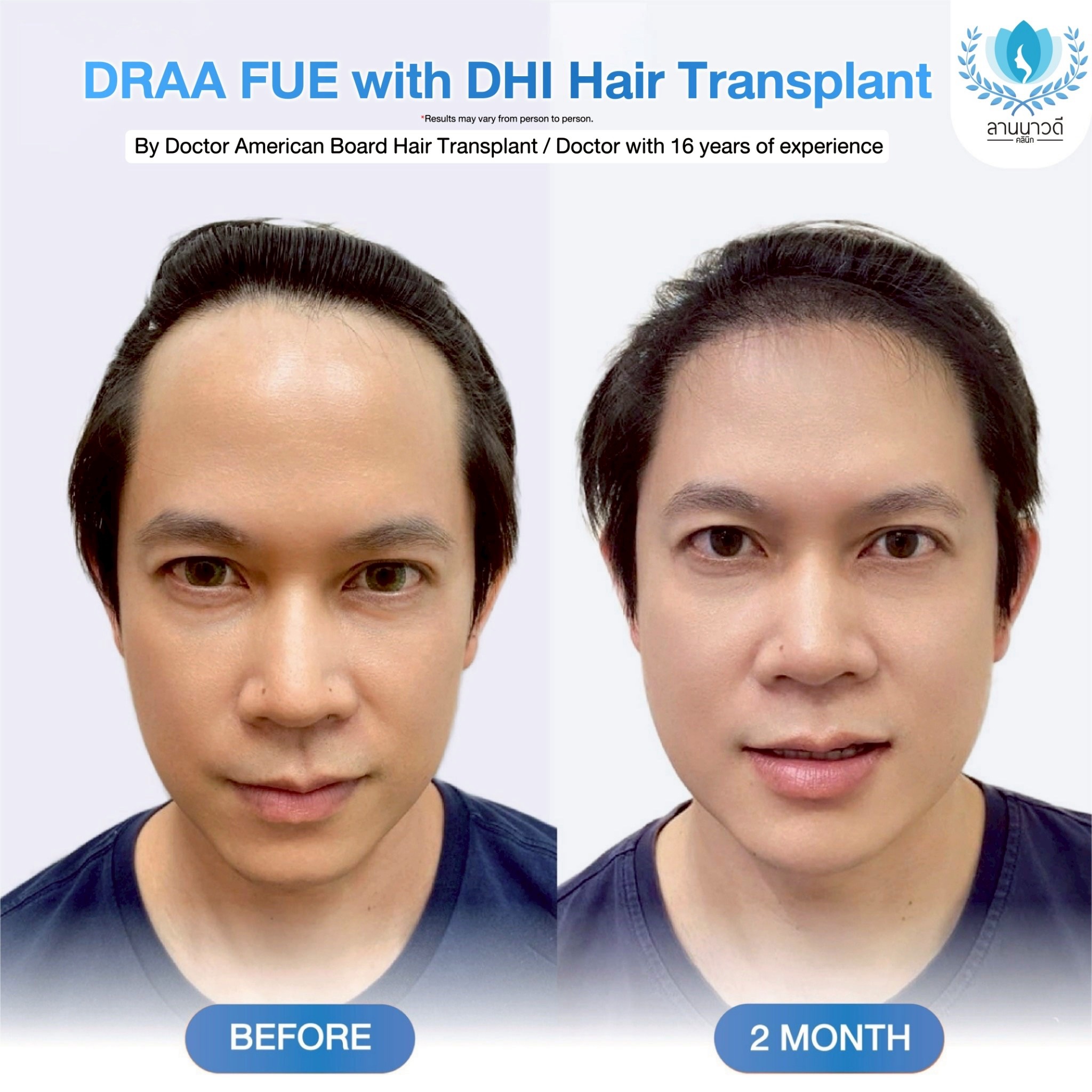
Hair transplant surgery is a medical procedure that involves transferring hair follicles from a donor area, usually the back or sides of the scalp, to areas experiencing thinning or hair loss. The purpose is to restore hair coverage and create a natural-looking hairline that complements the patient’s facial features.
Hair transplantation generally uses the patient’s own hair follicles. The transplanted follicles may continue to grow in the recipient area, although individual outcomes vary depending on several factors, including hair characteristics, donor hair quality, surgical technique, and post-operative care.

What Is Hair Transplant Surgery?
What Is Hair Transplant Surgery?
Hair transplant surgery is a medical procedure that involves transferring hair follicles from a donor area, usually the back or sides of the scalp, to areas experiencing thinning or hair loss. The purpose is to restore hair coverage and create a natural-looking hairline that complements the patient’s facial features.
Hair transplantation generally uses the patient’s own hair follicles. The transplanted follicles may continue to grow in the recipient area, although individual outcomes vary depending on several factors, including hair characteristics, donor hair quality, surgical technique, and post-operative care.

Types of Hair Transplant Techniques
Types of Hair Transplant Techniques
1. FUE Hair Transplant (Follicular Unit Extraction)
FUE is a hair transplantation technique in which individual follicular units are extracted from the donor area using specialized instruments and then implanted into areas affected by hair loss.
Potential features of FUE include:
* Individual extraction of follicular units.
* No long linear donor-area incision.
* Small extraction sites that generally heal with tiny scars.
* Flexibility in hairline design and graft placement.
* A recovery process that varies according to the number of grafts and individual healing.
FUE may be suitable for many patients, but it is not scar-free. The procedure requires careful extraction and implantation to help protect follicle viability and maintain an appropriate donor hair supply.
2. FUT Hair Transplant (Follicular Unit Transplantation)
FUT, also known as the strip method, involves removing a narrow strip of scalp tissue from the donor area. The tissue is then carefully dissected into individual follicular units for transplantation.
Potential features of FUT include:
* Collection of multiple follicular units from a donor strip.
* The ability to harvest grafts without individually extracting each follicle.
* A linear scar in the donor area.
* A recovery process that includes healing of the donor incision.
FUT may be appropriate for selected patients, depending on their donor characteristics, hairstyle preferences, and treatment requirements. A qualified surgeon can explain whether FUT or FUE is more suitable for an individual’s circumstances.

Who Is a Suitable Candidate for Hair Transplant Surgery?
Who Is a Suitable Candidate for Hair Transplant Surgery?
Hair transplantation may be considered by individuals experiencing certain types of hair loss, including:
* Male pattern hair loss.
* Female pattern hair thinning in appropriately selected cases.
* Receding hairlines.
* Thinning hair around the temples.
* Certain forms of stable hair loss resulting from previous injuries or scars.
* Hair loss that has been medically assessed and is suitable for surgical restoration.

Advantages of hair transplant
Advantages of hair transplant
1. Increase self-confidence
2. Long, bushy hair looks natural.
3. Have permanent eyebrow hair from the first session
4. Hair that is transplanted is difficult to fall out.
5. Look younger because the hair helps make your face look younger.

Preparation before hair transplant
Preparation before hair transplant
1. The customer should refrain from taking medicines such as vitamins for at least 1-3 days before receiving the hair transplant.
2. In the case that the customer has congenital disease such as diabetes, high blood pressure,
heart disease, etc., you need to inform the doctor before the transplant. Hair
3. Recommend that customers cut their hair short. Before receiving a hair transplant (If it is inconvenient, please inform the staff)
4. Refrain from drinking alcoholic beverages of any kind 2-3 days before the hair transplant.
5. If you are allergic to medicine, please inform the doctor on the day of the consultation before the hair transplant.
6. You need to have a blood test. At least 3 days before the hair transplant.
7. On the day of the hair transplant, it is recommended that you wear a shirt with buttons in the front. or shirt and There are relatives coming to pick up and drop off. (If it’s not convenient, please inform the staff. The clinic has pick-up and drop-off services)

Aftercare Tips for Hair Transplant Patients
Aftercare Tips for Hair Transplant Patients
• Keep the Scalp Clean
Follow the surgeon’s recommended washing schedule and use only the products approved for the healing scalp. Avoid vigorous rubbing or scratching of the recipient area.
• Protect the Transplanted Area
Avoid unnecessary pressure, friction, or trauma to the treated area during the initial healing period. Follow instructions about hats, helmets, and sleeping positions.
• Avoid Strenuous Activities Initially
Patients may need to temporarily limit intense exercise, heavy lifting, swimming, and activities that cause excessive sweating, depending on their surgeon’s recommendations.
• Attend Follow-Up Appointments
Scheduled follow-up visits allow the medical team to monitor healing, assess hair growth, and provide additional advice if needed.
• Maintain Long-Term Hair Health
Patients with ongoing pattern hair loss may benefit from discussing medical treatments or other hair maintenance options with their physician. Transplantation does not prevent future hair loss in untreated areas.
REVIEW